
Enhancing Energy Efficiency in Basements: Strategies and Solutions for Ontario
Introduction
Basements play a crucial role in residential and commercial buildings, particularly in Ontario, where they provide valuable space for various purposes. However, these areas are often overlooked when it comes to energy efficiency. Improving energy efficiency in basements can contribute significantly to overall building performance and sustainability goals. This topic explores innovative strategies to enhance energy efficiency specifically tailored to basement spaces in Ontario.
Current Challenges in Basement Energy Efficiency
Ontario’s climate presents unique challenges for basement energy efficiency, including issues related to insulation, moisture control, and heating. Basements tend to be colder and damper compared to upper floors, leading to increased energy consumption for heating and dehumidification. Additionally, air leakage and inadequate insulation further exacerbate energy inefficiencies.
Key Strategies for Improving Energy Efficiency
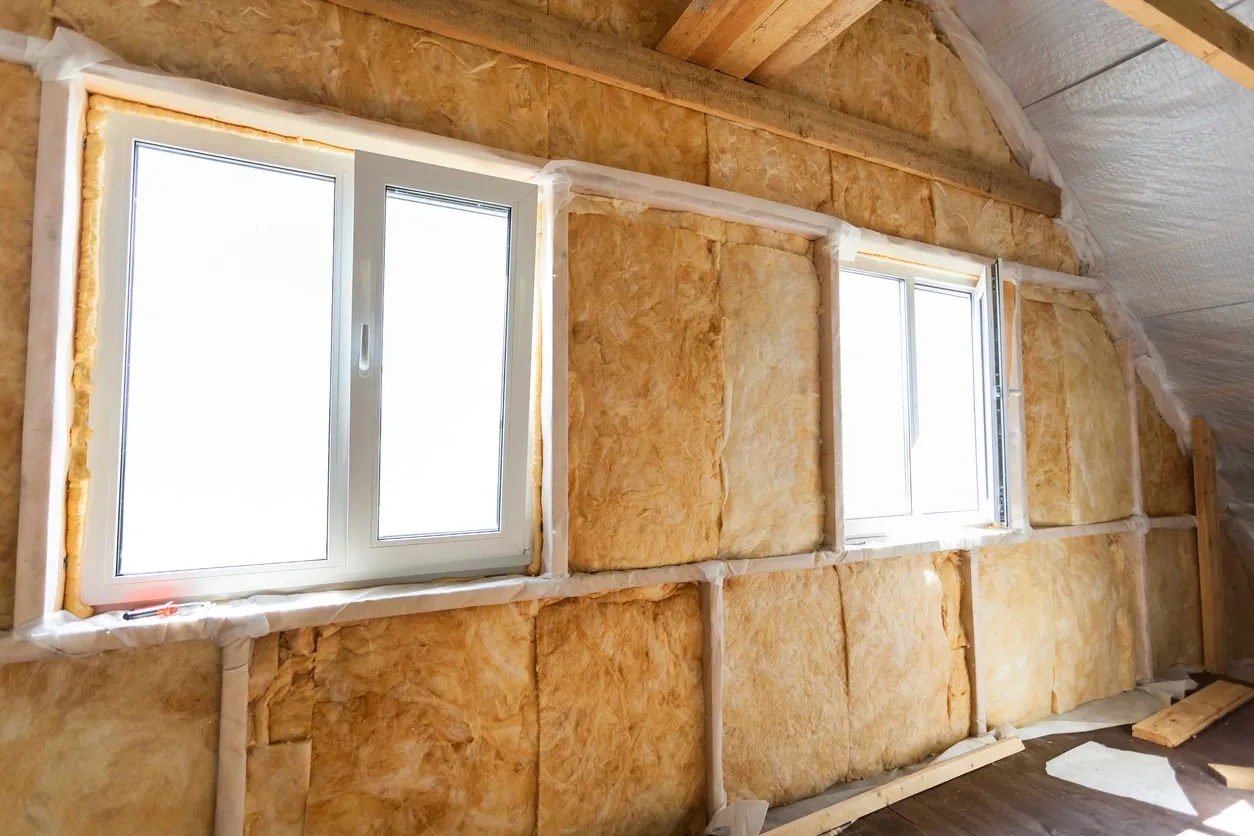
1. Effective Insulation Techniques: Utilizing appropriate insulation materials and techniques is essential for maintaining a comfortable temperature and reducing heat loss in basements. Strategies may include insulating walls, floors, and ceilings to prevent thermal bridging.
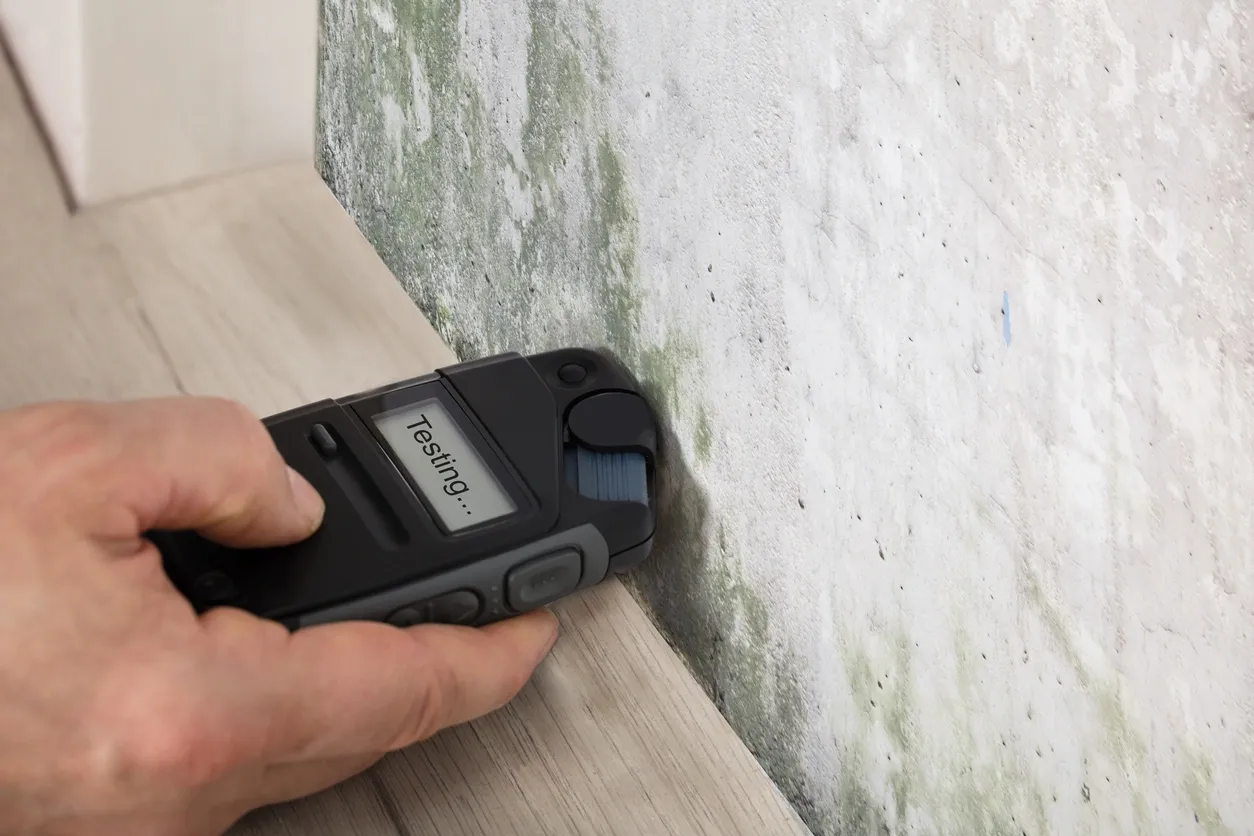
2. Moisture Management: Controlling moisture is critical to prevent mold growth and maintain indoor air quality. Implementing proper waterproofing methods, such as exterior drainage systems and moisture barriers, can enhance energy efficiency by reducing the load on heating and ventilation systems.
3. Air Sealing: Sealing air leaks around windows, doors, and foundation walls can significantly improve energy efficiency. Weather-stripping and caulking are effective methods to minimize drafts and heat loss.

4. Energy-Efficient Lighting: Switching to LED lighting and incorporating daylighting strategies can reduce electricity consumption in basements.
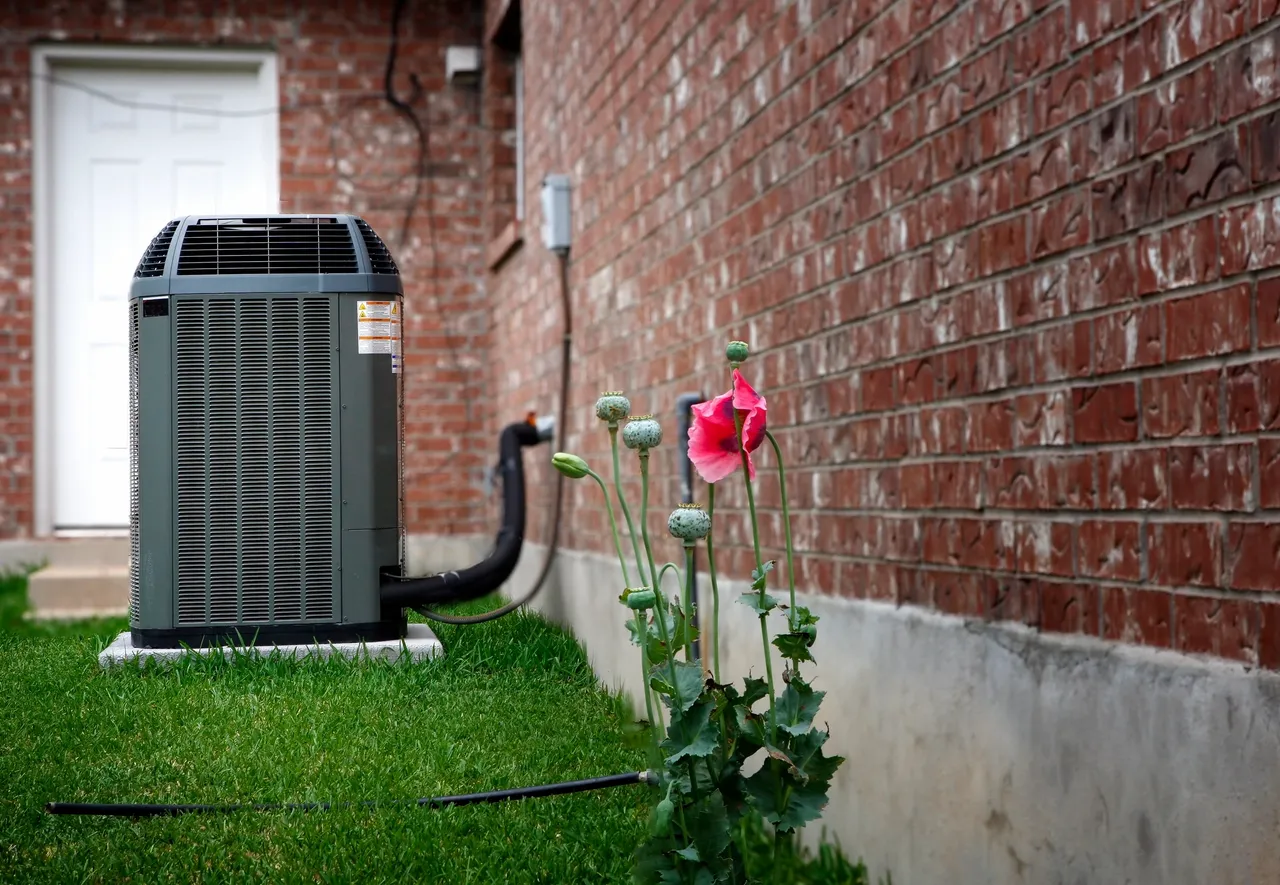
5. High-Efficiency HVAC Systems: Installing energy-efficient heating, ventilation, and air conditioning (HVAC) systems specifically designed for basement spaces can optimize energy usage.
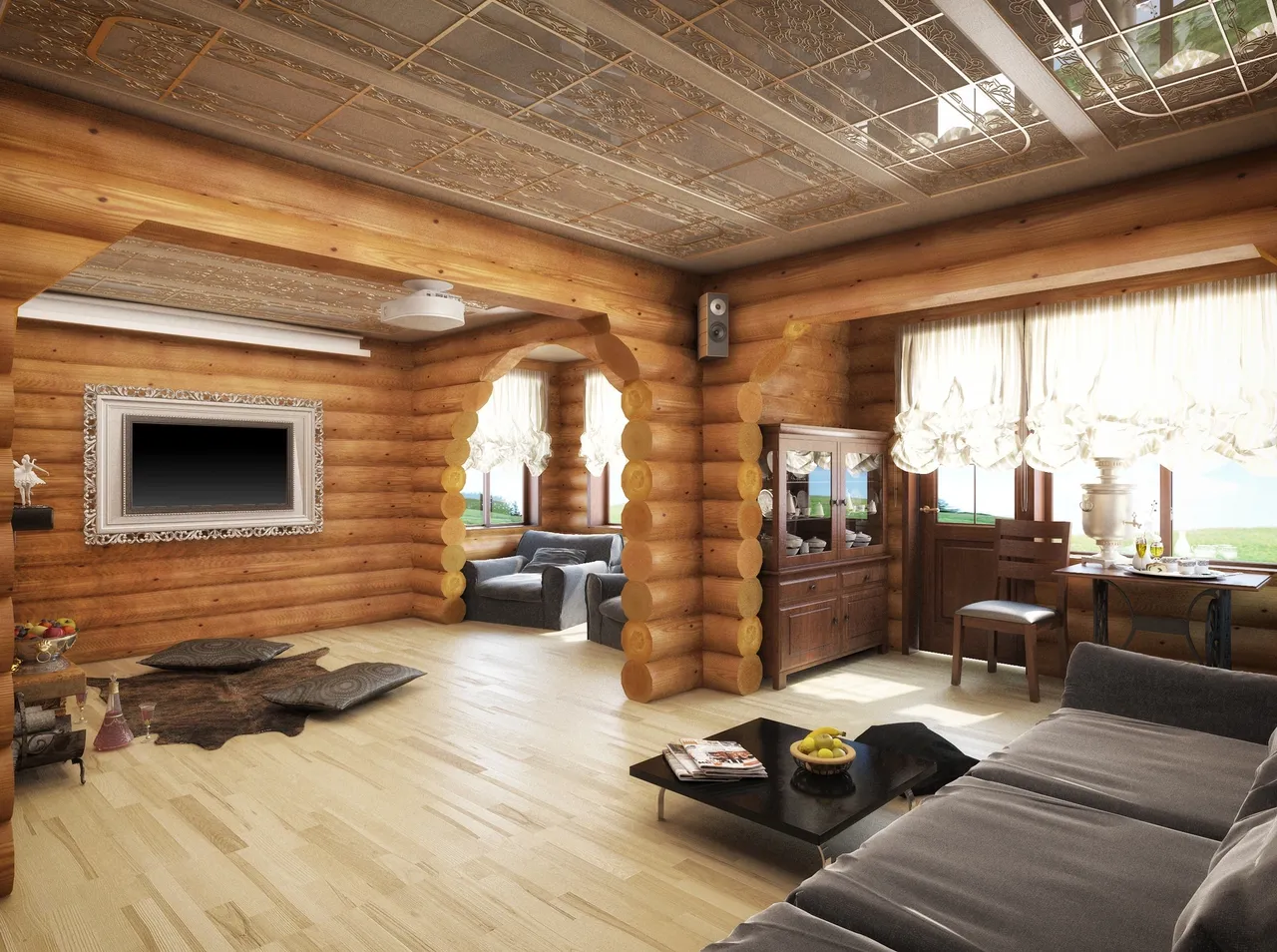
6. Natural Ventilation and Air Exchange: Implementing passive ventilation strategies, such as window placement and air vents, can improve indoor air quality and reduce the need for mechanical ventilation.
Regulatory and Incentive Programs
Exploring existing building codes, energy efficiency standards, and available incentives (e.g., rebates, tax credits) specific to basement renovations and upgrades can encourage homeowners and builders to adopt energy-efficient practices.
Technological Innovations
Highlighting emerging technologies like smart thermostats, energy monitoring systems, and heat recovery ventilation (HRV) units can further enhance basement energy efficiency while providing real-time data for optimization.
Case Studies and Best Practices
Examining successful case studies and best practices from Ontario-based projects that have effectively improved basement energy efficiency can provide practical insights and inspiration for future initiatives.
Conclusion
Improving energy efficiency in basements is a multifaceted endeavor that requires a holistic approach encompassing insulation, moisture management, ventilation, lighting, and HVAC systems. By implementing innovative strategies tailored to Ontario’s climate and building regulations, stakeholders can achieve significant energy savings, reduce environmental impact, and enhance overall comfort and livability in basement spaces.
This topic outline provides a comprehensive overview of the key aspects involved in enhancing energy efficiency in basements specifically for Ontario. It delves into challenges, strategies, regulations, technologies, and case studies to offer a well-rounded exploration of this important subject.
Thank you,
Amandeep Pathak
Permit Canada