Permit Canada

Author name: Canada Permit Company

Residential

Fire escape provisions from Basements

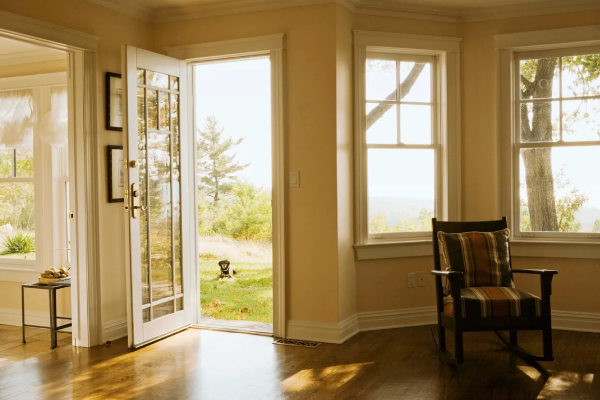
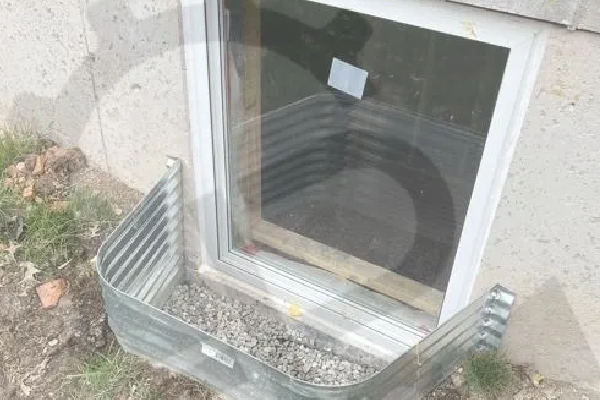
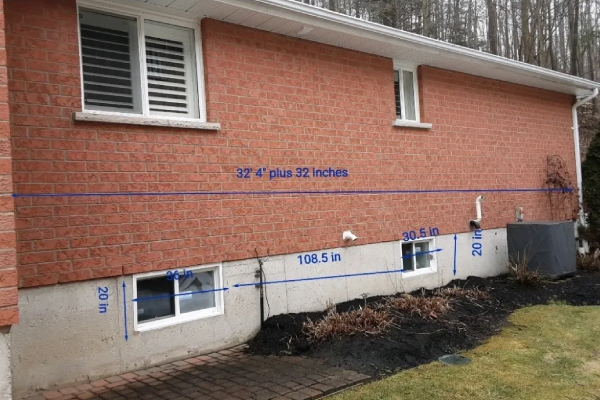
Exit Options from Basements: Requirements and Considerations This topic provides a comprehensive overview of the exit options available for basements in Ontario, highlighting the importance of safety, compliance, and practical solutions for homeowners and builders alike. Introduction Basements serve as vital living spaces in many homes across Ontario, Canada. Given their unique construction and often below-grade location, it’s crucial to understand the various exit options required by building codes and regulations. This topic explores the specific requirements and considerations for exit options from basements in Ontario. THE ONTARIO BUILDING CODE | EGRESS WINDOWS OR DOORS FOR BEDROOMS 9.9.10.1. Egress windows or doors for Bedrooms (1) Except where a door on the same floor level as the bedroom provides direct access to the exterior, every floor level containing a bedroom in a suite shall be provided with at least one outside window that, (a) is openable from the inside without the use of tools, (b) provides an individual, unobstructed open portion having a minimum area of 0.35 m² with no dimension less than 380 mm, and (c) maintains the required opening described in Clause (b) without the need for additional support. (2) Except for basement areas, the window required in Sentence (1) shall have a maximum sill height of 1 000 mm above the floor. (3) When sliding windows are used, the minimum dimension described in Sentence (1) shall apply to the openable portion of the window. (4) Where the sleeping area within a live/work unit is on a mezzanine with no obstructions more than 1 070 mm above the floor, the window required in Sentence (1) may be provided on the main level of the live/work unit provided the mezzanine is not more than 25% of the area of the live/work unit or 20 m2, whichever is less, and an unobstructed direct path of travel is provided from the mezzanine to this window. (5) Where a window required in Sentence (1) opens into a window well, a clearance of not less than 550 mm shall be provided in front of the window. (6) Where the sash of a window referred to in Sentence (5) swings towards the window well, the operation of the sash shall not reduce the clearance in a manner that would restrict escape in an emergency. (7) Where a protective enclosure is installed over the window well referred to in Sentence (5), such enclosure shall be openable from the inside without the use of keys, tools or special knowledge of the opening mechanism Exit Requirements 1. Egress Windows: One of the primary exit options for basements in Ontario is through egress windows. These windows must meet specific size and accessibility criteria set by the Ontario Building Code (OBC). The window must have a minimum unobstructed open area for escape and must be easily operable from the inside without the use of tools. 2. Window Wells: Egress windows typically require window wells when the window sill is located below grade. Window wells provide a space outside the window for emergency egress and should also meet certain standards for size and accessibility. 3. Exterior Doors: Basements may also have direct access to the exterior through exterior doors. These doors should lead to a safe outdoor area, such as a ground-level patio or yard, free from obstructions. Considerations and Regulations 1. Building Codes: All exit options from basements in Ontario must adhere to the regulations outlined in the Ontario Building Code. These codes specify the dimensions, construction, and accessibility requirements for egress windows, window wells, and exterior doors. 2. Safety and Accessibility: The primary purpose of exit options in basements is to ensure the safety and accessibility of occupants in case of emergencies such as fires or other hazards. It’s essential to consider ease of use and accessibility for all household members. 3. Permit Requirements: Installing or modifying exit options in basements often requires building permits from the local municipality. Compliance with building codes and regulations is typically verified during the permit application process. Common Issues and Solutions 1. Window Well Drainage: Proper drainage around window wells is crucial to prevent water accumulation and potential flooding. Improper drainage can lead to water ingress into the basement. 2. Window Well Covers: Installing secure and properly fitting covers for window wells is essential to prevent accidents and ensure the well remains free from debris and snow accumulation. 3. Emergency Planning: Educating household members about the location and use of basement exits during emergencies is vital. Regularly testing exit options and ensuring they remain unobstructed is recommended. Conclusion Understanding the exit options from basements in Ontario is essential for both homeowners and builders. Compliance with building codes and regulations ensures the safety and accessibility of basement living spaces. By implementing proper exit options and considering safety measures, basements can be transformed into functional and secure areas of the home. Thank you, Amandeep Pathak Permit Canada

Residential

Process to legalize your exiting basements in Ontario

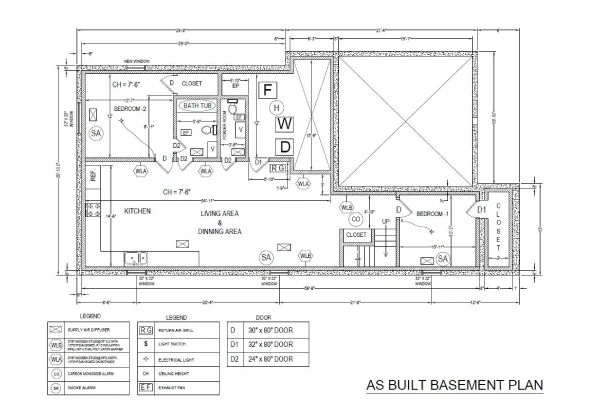
Legalizing existing basements in Ontario typically involves several steps to ensure compliance with building codes and municipal regulations. Here’s a general process: 1. Check Building Codes: Start by reviewing the Ontario Building Code to understand the requirements for basement construction, occupancy, and safety standards. You can access this code online or through your local building department. 2. Contact Local Municipality: Reach out to your local municipal building department to inquire about specific regulations and requirements for legalizing a basement. Each municipality may have its own set of rules and procedures. 3. Assessment of Current Basement: Evaluate the current condition of your basement to identify any deficiencies or areas that need improvement to meet building code standards. This may include structural integrity, electrical wiring, plumbing, ventilation, and fire safety measures. 4. Hire a Professional: Consider hiring a qualified architect, engineer, or contractor with experience in basement renovations and building code compliance. They can assess your basement, provide guidance on necessary upgrades, and help with the permit application process. 5. Apply for Permits: Obtain the necessary permits based on “residential permit drawings” from your local building department before starting any renovation work. Depending on the scope of the project, you may need permits for structural changes, electrical work, plumbing, and occupancy. 6. Complete Required Upgrades: Make any necessary upgrades or repairs to bring your basement up to code standards by referring the approved “Building permit drawings” . This may include installing proper insulation, adding egress windows for emergency exits, upgrading electrical wiring, and ensuring adequate ventilation and fire protection. 7. Inspections: Schedule inspections using the “Floor plan for building permit” with the building department at various stages of the renovation process to ensure compliance with building codes and regulations. Inspections may be required for framing, electrical, plumbing, insulation, and final occupancy. 8. Final Approval: Once all necessary upgrades are completed and inspections are passed, you can obtain final approval from the building department to legalize your basement. This typically involves submitting documentation and paying any required fees. 9. Update Property Records: Ensure that the legalization of your basement is reflected in the property records. This may involve updating the property’s assessment and notifying relevant authorities about the changes. 10. Occupancy: Once the basement is legalized and all necessary approvals are obtained, you can safely occupy the space according to its designated use (e.g., as a living area, rental unit, etc.). It’s essential to follow all applicable regulations and obtain the required permits to ensure the safety and legality of your basement renovation project. Consulting with professionals and working closely with your local building department can help streamline the process and avoid potential issues. For all your basement design and permit application needs in Ontario, please reach us at 647-628-5162 and email us at query@pathakdesign.ca. Alternatively, you can book an appointment conveniently at our website. Thank you, Amandeep Pathak Permit Canada

Residential

Fire separation between living spaces in the basement in Ontario

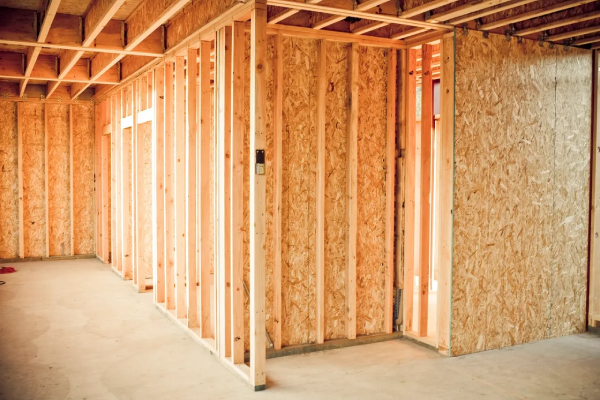
In Ontario, the building code dictates regulations regarding fire separation between living spaces in the basement. The specific requirements can vary based on the type of occupancy (residential, commercial, etc.), the construction type, and other factors. However, here are some general guidelines that may apply: 1. Fire-Rated Walls: Walls separating living spaces in the basement from other areas, such as storage rooms, utility rooms, or mechanical rooms, may need to be constructed using fire-rated materials. This typically involves using materials that can resist fire for a specified period, such as gypsum board or certain types of concrete blocks. 2. Fire Doors: Doors within the basement that lead to other areas of the building, such as stairwells or other living spaces, may need to be fire-rated. These doors are designed to resist the spread of fire and smoke for a certain amount of time. 3. Smoke Alarms: The installation of smoke alarms is usually required in all habitable spaces, including basements. These alarms should be interconnected so that if one alarm detects smoke, all alarms in the building will sound. 4. Egress Requirements: There are usually regulations regarding the size and accessibility of windows or other means of egress in basement living spaces. This is to ensure that occupants have a safe way to exit the building in the event of a fire. 5. Ceiling Treatments: Ceilings in basement living spaces may need to be finished with fire-resistant materials to help prevent the spread of fire to the floors above. It’s important to note that these are general guidelines, and specific requirements can vary depending on the municipality and the type of building. It’s always best to consult the local building department or a qualified building professional to ensure compliance with all relevant codes and regulations Thank you, Amandeep Pathak Permit Canada

Residential

Vertical vs Horizontal fire spread in basements.

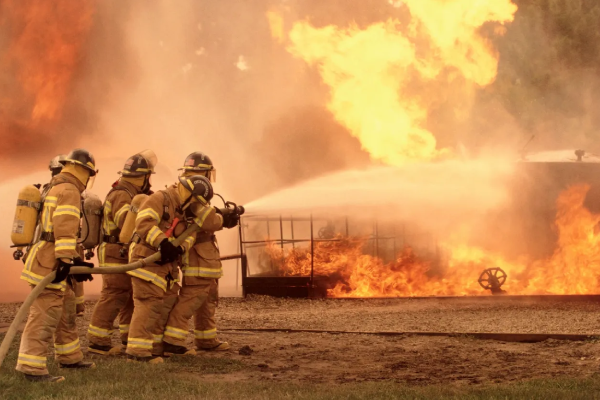
Vertical vs Horizontal fire travel in a basement: A study of two types of fire spreading behaviour in the basement. The behaviour of fire in basements can vary depending on various factors such as ventilation, fuel sources, and the layout of the space. Generally, vertical travel of fire in basements can occur through stairwells, shafts, or open areas, while horizontal travel may happen through interconnected rooms or corridors. Vertical travel may be more rapid due to the stack effect, where hot air rises and draws cooler air from lower levels, aiding fire spread. Horizontal travel may be influenced by the layout and barriers within the basement. Both vertical and horizontal travel paths should be considered in fire safety planning and mitigation strategies. How to tackle vertical fire travel in basement ? To tackle vertical fire travel in a basement, consider the following measures: 1. Fire-rated barriers: Install fire-rated barriers such as walls and doors to compartmentalize the basement into smaller areas, limiting the spread of fire vertically. 2. Fireproof stairwells: Ensure that stairwells leading from the basement are constructed with fire-resistant materials and equipped with fire doors to prevent the upward spread of flames. 3. Smoke management systems: Implement smoke management systems such as smoke curtains or smoke ventilation systems to control the movement of smoke and heat vertically in the event of a fire. 4. Fire suppression systems: Install fire suppression systems such as sprinklers in the basement area to suppress the fire and prevent its vertical progression. 5. Regular inspections and maintenance: Conduct regular inspections of fire protection systems and ensure that they are well-maintained to effectively tackle vertical fire travel. 6. Emergency egress: Ensure that there are clear and accessible emergency egress routes from the basement area to allow occupants to evacuate safely in the event of a fire. 7. Education and training: Educate occupants about fire safety procedures and conduct training drills to ensure that they are prepared to respond appropriately in the event of a fire emergency in the basement. By implementing these measures, you can effectively tackle vertical fire travel in a basement and enhance the overall fire safety of the building. Stopping horizontal fire travel in basement? To stop horizontal fire travel in a basement, consider the following strategies: 1. Fire-rated walls and doors: Install fire-rated walls and doors to compartmentalize the basement into smaller areas, limiting the lateral spread of fire. 2. Sealing penetrations: Seal any penetrations in walls, floors, and ceilings with fire-resistant materials to prevent the passage of flames and smoke between different areas of the basement. 3. Firestops: Install firestops at penetrations such as pipes, cables, and ducts to prevent the horizontal spread of fire and smoke along these pathways. 4. Sprinkler systems: Install sprinkler systems throughout the basement area to quickly suppress any fires that do occur and prevent their lateral spread. 5. Proper storage: Store flammable materials in designated areas with proper ventilation and separation from other materials to minimize the risk of fire spread. 6. Regular maintenance: Conduct regular inspections of fire protection systems and structural elements to ensure they are in good working condition and can effectively prevent the horizontal spread of fire. 7. Emergency exits: Ensure that there are clear and accessible emergency exits spaced throughout the basement area to allow occupants to evacuate safely in the event of a fire. By implementing these measures, you can effectively stop horizontal fire travel in a basement and improve overall fire safety in the building. In the next blog we will discuss about structural elements in the basements and their fire resistance rating as per the OBC. Stay tuned….. Thank you, Amandeep Pathak Permit Canada

Residential

Discussing Fire Exits from Legal Basements in Ontario.

In Ontario, fire exits from basements are essential components of building safety, particularly in multi-level structures where occupants may be located below ground level. Here’s why fire exits from basements are crucial: 1) Emergency Egress: Basements often serve as living spaces, storage areas, or utility rooms in residential and commercial buildings. In the event of a fire or other emergencies, occupants must have designated paths to safely evacuate the basement and reach ground level or exits leading outside the building. 2) Compliance with Regulations: Ontario’s building codes and fire safety regulations mandate the provision of fire exits from basements in accordance with specific requirements. These regulations ensure that buildings are equipped with adequate means of egress to facilitate the safe evacuation of occupants during emergencies. 3) Alternative Escape Routes: Fire exits from basements provide alternative escape routes in case primary stairwells or exits become blocked or inaccessible due to fire, smoke, or structural damage. Having multiple exit options enhances the likelihood of successful evacuation and reduces the risk of occupants becoming trapped. 4) Accessibility Considerations: Fire exits from basements must be designed to accommodate occupants of all abilities, including those with mobility limitations or disabilities. Accessible features such as ramps, handrails, and adequate lighting ensure that everyone can evacuate safely during emergencies. 5) Early Warning Systems: Basements often house mechanical systems such as furnaces, boilers, and electrical panels, which can pose fire hazards. Installing smoke alarms and carbon monoxide detectors in basements provides early warning of potential fires or hazardous conditions, allowing occupants to evacuate promptly. 6) Clear Signage and Lighting: Proper signage and emergency lighting are essential for guiding occupants to fire exits in basements, especially in areas with limited visibility or during power outages. Clear and illuminated exit signs help occupants locate exits quickly and navigate evacuation routes effectively. 7) Regular Maintenance and Inspections: Building owners and operators in Ontario are responsible for ensuring that fire exits from basements are properly maintained and kept free of obstructions. Regular inspections and maintenance of exit doors, stairways, and associated equipment help ensure their functionality and reliability during emergencies. 8) Integration with Emergency Response Plans: Fire exits from basements should be integrated into the building’s overall emergency response plan. Occupants should be familiarized with evacuation procedures, exit routes, and assembly points through regular drills and training exercises. By prioritizing the provision, maintenance, and accessibility of fire exits from basements, building owners and operators in Ontario can enhance the safety and well-being of occupants and mitigate the risks associated with fires and other emergencies. For more information, please read Part 3 and Part 9 of Ontario Building Code related to Large and Small buildings in Ontario. Click here for Ontario Building Code (Online) Thank you, Amandeep Pathak Permit Canada

Residential

The Importance of Accurate Building Permit Drawings

The Importance of Accurate Building Permit Drawings: A Guide for Homeowners Basements are versatile spaces that can be transformed into anything from cozy living areas to functional workspaces. However, when it comes to renovating or finishing a basement in Ontario, there are specific regulations and guidelines that homeowners need to adhere to, especially regarding minimum room sizes. Why Minimum Room Size Matters The minimum room size requirements in basements are in place to ensure safety, comfort, and functionality. These regulations help prevent overcrowding, ensure adequate ventilation, and allow for proper emergency egress in case of fire or other emergencies. By following these guidelines, homeowners can create livable spaces that meet the necessary standards. Understanding Ontario Building Code Requirements In Ontario, the minimum room size requirements for basements are outlined in the Ontario Building Code (OBC). The OBC sets standards for various aspects of construction, including room dimensions, ceiling height, and egress requirements. According to the OBC, habitable rooms in basements must have a minimum floor area. Additionally, there are specific requirements for ceiling height, ventilation, and emergency egress that must be met. Key Considerations for Basement Renovations 1) Ceiling Height: The OBC mandates that habitable rooms in basements must have a minimum ceiling height of 2.1 meters (6 feet 11 inches). This ensures adequate headroom and comfort for occupants. 2) Ventilation: Proper ventilation is essential in basement rooms to maintain air quality and prevent moisture buildup. Installing vents or windows that can be opened to allow for fresh air circulation is crucial. 3) Emergency Egress: Basement bedrooms or any habitable rooms must have a means of emergency egress in case of fire or other emergencies. This typically involves the installation of windows or doors that meet specific size and accessibility requirements. 4) Building Permits: Before starting any basement renovation project, homeowners should obtain the necessary building permits from their local municipality. This ensures that the project complies with all relevant building codes and regulations. Design Tips for Maximizing Space While adhering to minimum room size requirements is essential, homeowners can still maximize the functionality and appeal of their basement spaces. Here are some design tips to consider: 1) Open Floor Plans: Opt for an open floor plan design to create a sense of spaciousness and flexibility in the basement area. 2) Multi-Functional Furniture: Choose furniture pieces that serve multiple purposes, such as sleeper sofas or storage ottomans, to make the most of limited space. 3) Lighting: Incorporate ample lighting, including natural light where possible, to brighten up the basement and make it feel more inviting. 4) Built-In Storage: Utilize built-in shelving, cabinets, and storage solutions to keep the space organized and clutter-free. Conclusion In Ontario, minimum room size requirements for basements play a crucial role in ensuring safety, comfort, and functionality. By understanding and adhering to these regulations, homeowners can create basement spaces that not only meet the necessary standards but also provide a comfortable and enjoyable environment for their families. Whether it’s a cozy entertainment area, a home office, or an extra bedroom, careful planning and attention to detail can help make the most of any basement renovation project. Thank you, Amandeep Pathak Permit Canada

Residential

Brightening Up the Depths: Importance of Light in Basements

Basements often evoke images of dark, dingy spaces relegated to storage or laundry duties. However, in the Canadian province of Ontario, where basements are a common feature in homes, there’s a growing recognition of the importance of proper lighting in these below-ground spaces. Beyond mere aesthetics, adequate lighting in basements is essential for both practicality and well-being. Let’s shed some light on why illuminating these subterranean areas matters so much. 1. Enhancing Safety One of the primary reasons for illuminating basements is safety. Inadequate lighting can create hazards, increasing the risk of accidents such as slips, trips, and falls. Properly lit stairs, pathways, and corners reduce these risks, especially in households with children or elderly residents. In Ontario, where winters can be harsh and daylight hours limited, well-lit basements become even more crucial during darker months. 2. Functional Living Space With real estate prices soaring, many Ontarians are looking to maximize every inch of their homes, including their basements. Transforming these areas into functional living spaces, such as home offices, entertainment rooms, or guest bedrooms, requires adequate lighting. Brightening up the basement not only makes these spaces more inviting but also expands the usable square footage of the home, increasing its overall value. 3. Mental Well-being Natural light has a profound impact on mental well-being, influencing mood, productivity, and overall happiness. Unfortunately, basements typically lack access to natural light sources like windows or skylights. Thus, artificial lighting becomes even more critical for combating the feelings of gloominess or claustrophobia often associated with below-ground spaces. In Ontario, where long winters and shorter daylight hours are the norm, ensuring sufficient artificial lighting can help mitigate the effects of seasonal affective disorder (SAD) and promote a more positive living environment. 4. Compliance with Building Codes In Ontario, building codes and regulations mandate specific lighting requirements for habitable spaces, including basements. Adhering to these standards not only ensures the safety and well-being of occupants but also avoids potential legal issues during property inspections or sales. Professional electricians familiar with Ontario’s building codes can help homeowners navigate these requirements and install lighting solutions that meet or exceed regulatory standards. Click here to know more about code regulations in Ontario related to second feeling units or basements 5. Energy Efficiency While illuminating basements is essential, it’s equally important to do so in an energy-efficient manner. LED lighting fixtures, for example, consume significantly less energy than traditional incandescent bulbs, resulting in lower utility bills and reduced environmental impact. Additionally, incorporating motion sensors or timers into basement lighting systems can further optimize energy usage by automatically turning lights off when not in use. Conclusion In Ontario, where basements are integral parts of many homes, the importance of proper lighting cannot be overstated. From enhancing safety and functionality to promoting mental well-being and compliance with building codes, well-lit basements offer a host of benefits to homeowners. By investing in quality lighting solutions and adhering to regulatory standards, Ontarians can turn their below-ground spaces into bright, inviting extensions of their homes, adding value and comfort for years to come. Thank you, Amandeep Pathak Permit Canada

Residential

Navigating Building Permits in Ontario: The Importance of Zoning

Embarking on a construction project in Ontario is an exciting endeavor, whether you’re building a new home, renovating an existing property, or adding an extension. However, amidst the excitement, it’s crucial to navigate the regulatory landscape carefully, particularly when it comes to zoning requirements. Understanding and adhering to zoning regulations is essential for obtaining a building permit and ensuring a smooth and successful construction process. Let’s delve into the importance of zoning requirements in Ontario and how they impact building permits. Defining Zoning Requirements Zoning regulations dictate how land can be used and developed within a municipality or region. These regulations are established by local governments to manage growth, protect property values, and maintain the overall character of communities. Zoning bylaws divide land into different zones or districts, each with its own set of permitted land uses, building setbacks, height restrictions, and other development standards. Importance of Zoning Requirements 1) Compliance with Local Regulations: Zoning requirements serve as the foundation for obtaining building permits in Ontario. Before any construction can commence, the proposed project must comply with the applicable zoning bylaws for the specific property. Failure to adhere to these regulations can result in delays, fines, or even the rejection of the building permit application. 2) Preservation of Community Character: Zoning regulations play a crucial role in preserving the character and integrity of communities. By specifying acceptable land uses and development standards, zoning bylaws help maintain a cohesive and harmonious built environment that enhances the quality of life for residents. This ensures that new construction projects align with the existing fabric of the neighborhood and contribute positively to the community. 3) Protection of Property Values: Zoning requirements help protect property values by regulating the type and scale of development within a given area. By preventing incompatible land uses or excessive building densities, zoning bylaws help maintain the attractiveness and desirability of residential neighborhoods, commercial districts, and industrial areas. This, in turn, safeguards the investment value of properties for homeowners and businesses alike. 4) Mitigation of Environmental Impact: Zoning regulations often include provisions aimed at mitigating the environmental impact of development. This may include requirements for setbacks from natural features such as water bodies or wetlands, restrictions on tree removal, or mandates for green space and landscaping. By incorporating environmental considerations into zoning requirements, municipalities can promote sustainable development practices and protect sensitive ecosystems. Navigating Zoning Requirements for Building Permits When applying for a building permit in Ontario, it’s essential to thoroughly understand the zoning requirements that apply to your property. This typically involves: 1) Reviewing Zoning Bylaws: Obtain a copy of the zoning bylaws from the local municipal office or website and carefully review the regulations that pertain to your property. Pay attention to permitted land uses, setbacks, building heights, lot coverage, parking requirements, and any other relevant provisions. Few links:  Zoning requirements to construct Second Dwelling Unit in City of Brampton Zoning requirements to construct a Garden Suite in Toronto Zoning requirements to build a deck in Hamilton 2) Consulting with Planning Authorities: If you have questions or concerns about how the zoning regulations apply to your project, consider consulting with the planning department or zoning officials at the local municipality. They can provide guidance on compliance requirements, application procedures, and any variances or exemptions that may be available. Few links: City of Brampton City of Toronto City of Hamilton 3) Engaging with Professionals: Working with professionals such as architects, planners, and land surveyors who are familiar with local zoning requirements can help ensure that your project meets all regulatory standards. These experts can assist with site analysis, design development, permit applications, and navigating the approval process. Ontario Association of Architects Professional Engineers Ontario Ontario Building Officials Association 4) Seeking Variances or Amendments: In some cases, it may be necessary to seek variances or amendments to the zoning bylaws to accommodate your proposed project. This typically involves submitting an application to the local municipality and attending a public hearing where the request will be reviewed by the relevant authorities. While variances are not always granted, they may be considered under certain circumstances, such as when strict compliance would cause undue hardship. Conclusion: Zoning requirements are a critical aspect of the building permit process in Ontario, shaping the built environment and ensuring the orderly development of communities. By understanding and adhering to these regulations, homeowners, developers, and builders can navigate the construction process effectively while preserving the character, integrity, and livability of neighborhoods. Whether constructing a new dwelling, renovating an existing structure, or undertaking a commercial development, compliance with zoning requirements is essential for achieving successful outcomes and contributing positively to Ontario’s vibrant built landscape. Thank you, Amandeep Pathak Permit Canada

Residential

Ensuring Human Safety: The Importance of Swimming Pool Enclosures

Swimming pools are synonymous with fun, relaxation, and recreation, offering a refreshing escape from the summer heat for people of all ages. However, as much as we enjoy the pleasures of poolside living, it’s crucial to prioritize safety, especially when it comes to protecting vulnerable individuals such as children and pets. This is where swimming pool enclosures play a vital role, providing a barrier against accidents and ensuring peace of mind for homeowners. Let’s explore why swimming pool enclosures are essential for human safety and the various options available to homeowners. Preventing Accidental Drowning One of the most significant reasons for investing in a swimming pool enclosure is to prevent accidental drowning, particularly among children. According to the Centers for Disease Control and Prevention (CDC), drowning is the leading cause of unintentional injury-related death among children aged 1 to 4, with residential swimming pools being the most common setting for these tragic incidents. A properly installed pool enclosure acts as a physical barrier, restricting access to the pool area and reducing the risk of unsupervised entry. This is especially important in households with young children or pets, who may be drawn to the water out of curiosity or a sense of adventure. By creating a secure perimeter around the pool, enclosures help to mitigate the potential for accidents and provide an added layer of protection for everyone in the household. Enhancing Home Security In addition to safeguarding against drowning accidents, swimming pool enclosures can also enhance overall home security. By enclosing the pool area, homeowners can deter unauthorized access and minimize the risk of trespassing or vandalism. This is particularly relevant for properties located in residential communities or areas with high foot traffic, where privacy and security are paramount concerns. Moreover, pool enclosures can serve as a visual deterrent, signaling to would-be intruders that the property is well-protected and monitored. This added layer of security not only helps to safeguard the pool and surrounding area but also contributes to the overall safety and well-being of the entire household. Options for Swimming Pool Enclosures When it comes to swimming pool enclosures, homeowners have a wide range of options to choose from, depending on their preferences, budget, and aesthetic preferences. Some common types of pool enclosures include: 1) Fencing: Traditional fencing is one of the most popular and cost-effective options for enclosing swimming pools. Fences can be made from various materials such as wrought iron, aluminum, vinyl, or wood, and can be customized to match the style of the home and surrounding landscape. It’s essential to ensure that the fence meets local building codes and safety standards, including height requirements and self-closing, self-latching gates. 2) Glass Enclosures: Glass enclosures offer a sleek and modern alternative to traditional fencing, providing unobstructed views of the pool area while maintaining a secure barrier. Glass panels are typically framed in aluminum or stainless steel and can be either frameless or semi-frameless for a minimalist aesthetic. 3) Retractable Enclosures: Retractable enclosures provide the flexibility to open or close the pool area as desired, allowing homeowners to enjoy the benefits of indoor and outdoor living year-round. These enclosures are often made from transparent materials such as polycarbonate or acrylic panels supported by aluminum or steel frames. 4) Mesh Safety Covers: Mesh safety covers are designed to cover the entire surface of the pool when not in use, providing a secure barrier against accidental entry. These covers are anchored to the pool deck or surrounding area and can support the weight of children and pets, reducing the risk of drowning accidents. Conclusion: Swimming pool enclosures are essential for ensuring human safety and enhancing the overall security of residential properties. By creating a physical barrier around the pool area, enclosures help to prevent accidental drowning, deter unauthorized access, and provide peace of mind for homeowners and their families. With a variety of options available, from traditional fencing to retractable enclosures, homeowners can find the perfect solution to suit their needs and lifestyle, ensuring that their pool remains a source of enjoyment and relaxation for years to come.

Residential

Exploring Below Grade Entrances: A Unique Feature in Modern Homes

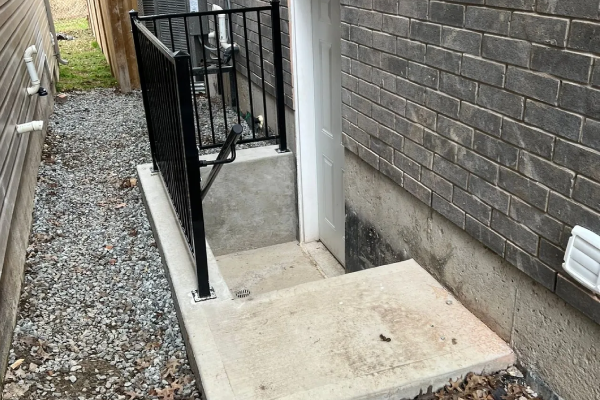
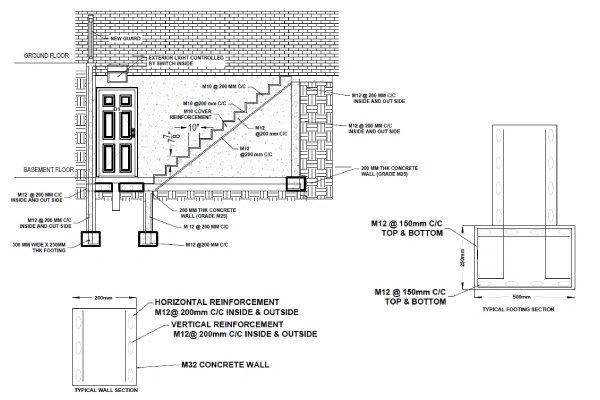
In the realm of innovative home design, below-grade entrances stand out as a distinctive feature that combines functionality with aesthetic appeal. Found in a variety of settings, from urban neighborhoods to rural retreats, these entrances offer homeowners a range of benefits that go beyond mere access. Let’s delve into what below-grade entrances are, their advantages, and considerations for incorporating them into your home. Understanding Below Grade Entrances A below-grade entrance, as the name suggests, is an entry point to a home that is situated below ground level. Unlike traditional entrances that are typically at ground level or elevated, below-grade entrances are accessed via stairs or ramps leading down from the surrounding terrain. These entrances can lead to various parts of the home, such as basements, lower levels, or even sunken courtyards. Advantages of Below Grade Entrances Space Optimization: By situating entrances below grade, homeowners can maximize the usable space on their property. This is particularly advantageous in urban environments where land is limited, allowing for more efficient use of the available footprint. Enhanced Privacy: Below-grade entrances offer an increased level of privacy, as they are often shielded from view by surrounding terrain or landscaping. This can be particularly appealing for homeowners seeking a sense of seclusion and security. Architectural Appeal: From a design standpoint, below-grade entrances can add visual interest and architectural character to a home. Whether incorporated into the facade or nestled within a landscaped feature, these entrances can contribute to the overall aesthetic appeal of the property. Natural Light: Depending on the design, below-grade entrances can also facilitate the entry of natural light into lower levels of the home. This can help create a more inviting and comfortable environment, reducing the need for artificial lighting during the day. Weather Protection: Below-grade entrances offer protection from the elements, such as rain, snow, and wind. This can be particularly beneficial in regions with inclement weather, ensuring that homeowners and guests can enter and exit the home safely and comfortably regardless of external conditions. Considerations for Below Grade Entrances While below-grade entrances offer numerous advantages, there are several important considerations to keep in mind when incorporating them into a home design: Drainage and Waterproofing: Proper drainage and waterproofing are essential to prevent water infiltration and moisture issues in below-grade entrances. This may involve installing drainage systems, waterproof membranes, and adequate insulation to protect against water damage. Accessibility: Accessibility should be a primary concern when designing below-grade entrances, ensuring that they are safely and easily accessible to all occupants. This may involve incorporating features such as handrails, non-slip surfaces, and adequate lighting to facilitate safe passage. Ventilation and Air Circulation: Adequate ventilation and air circulation are essential in below-grade spaces to prevent humidity buildup and maintain indoor air quality. This may require the installation of mechanical ventilation systems or strategically placed vents to promote airflow. Building Codes and Regulations: It’s important to consult local building codes and regulations when planning below-grade entrances to ensure compliance with safety standards and permitting requirements. This may involve obtaining permits and working with qualified professionals familiar with below-grade construction practices. In Conclusion Below-grade entrances offer homeowners a unique blend of functionality, privacy, and architectural appeal that sets them apart from traditional entryways. Whether integrated into the facade of a modern urban dwelling or nestled within the natural landscape of a rural retreat, these entrances have the potential to transform a home into a welcoming and distinctive space. By carefully considering factors such as drainage, accessibility, ventilation, and regulatory requirements, homeowners can successfully incorporate below-grade entrances into their home designs, creating a seamless and harmonious connection between indoor and outdoor spaces.

Scroll to Top