Permit Canada

Author name: Canada Permit Company

Residential

Expanding Horizons: A Guide to House Additions in Ontario

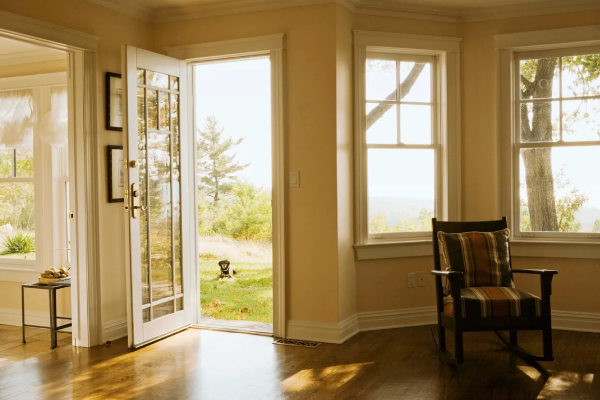
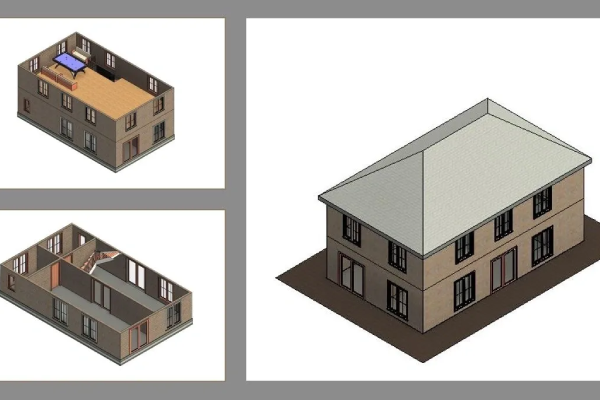
Ontario, with its vibrant cities, picturesque landscapes, and diverse communities, has long been a beacon for homeowners seeking to enhance their living spaces. For many, the idea of expanding their homes through additions presents an exciting opportunity to customize and improve their living experience. Whether it’s accommodating a growing family, creating more functional space, or simply adding value to their property, house additions in Ontario are a popular choice for homeowners looking to invest in their properties. **Understanding House Additions** House additions involve the expansion of existing structures to create new living spaces, such as extra bedrooms, bathrooms, kitchens, or even entire new floors. These additions can significantly increase the livable area of a home, providing more comfort and functionality for its occupants. **Permits and Regulations** Before embarking on any house addition project in Ontario, it’s crucial to understand the regulatory framework governing construction projects. The Ontario Building Code (OBC) sets out the standards and requirements for all construction activities in the province, including house additions. Additionally, local municipalities may have their own zoning bylaws and regulations that must be adhered to. Obtaining the necessary permits is a critical step in the process. Failure to secure proper permits can result in fines, delays, or even the need to undo the work already completed. Working with a qualified architect or contractor who is familiar with the local building codes can streamline the permit application process and ensure compliance with all regulations. **Design Considerations** The design phase of a house addition project is where creativity meets functionality. Homeowners should carefully consider their needs, preferences, and budget when planning the addition. Factors such as architectural style, size, layout, and materials will all play a role in shaping the final design. Energy efficiency is another important consideration, especially in a climate like Ontario’s, where cold winters and hot summers are the norm. Incorporating features such as high-performance windows, insulation, and energy-efficient appliances can help reduce utility costs and minimize the environmental impact of the addition. **Costs and Budgeting** House additions can vary significantly in cost depending on factors such as size, complexity, materials, and location. It’s essential for homeowners to establish a realistic budget early in the planning process and to account for potential unforeseen expenses. Working with a reputable contractor who provides detailed cost estimates can help ensure that the project stays within budget. It’s also a good idea to set aside a contingency fund to cover any unexpected costs that may arise during construction. **Choosing the Right Contractor** Selecting the right contractor is perhaps the most crucial decision homeowners will make when undertaking a house addition project. A reputable contractor with experience in house additions and a proven track record of delivering quality workmanship is essential for ensuring a successful outcome. Before hiring a contractor, homeowners should conduct thorough research, ask for references, and obtain multiple quotes. It’s also important to ensure that the contractor is properly licensed, insured, and bonded to protect against liability. **Conclusion** House additions offer homeowners in Ontario the opportunity to expand and enhance their living spaces to better suit their needs and lifestyle. By understanding the regulatory requirements, carefully planning the design, budgeting effectively, and selecting the right contractor, homeowners can embark on a house addition project with confidence, knowing that they are investing in the long-term value and enjoyment of their home. Whether it’s adding an extra bedroom, creating a spacious kitchen, or building a sunroom to enjoy Ontario’s natural beauty, house additions have the power to transform a house into a dream home.

Residential

Unveiling the Charms of Garden Suites in Ontario

Title: Unveiling the Charms of Garden Suites in Ontario: The Perfect Oasis in Your Backyard Introduction:  In recent years, garden suites have emerged as a trendy and sought-after housing option in Ontario, Canada. These innovative structures offer an enchanting escape from the bustling city life, providing homeowners with a versatile space adaptable to various needs. Whether you envision a peaceful retreat, a cozy home office, or a guest suite for your loved ones, garden suites are revolutionizing the way we utilize our outdoor spaces. Let’s delve into the delightful world of garden suites and explore the wonders they bring to Ontario’s backyard paradises. 1. Embracing the Serenity of Nature:  One of the most enticing aspects of garden suites is their intimate connection with nature. Nestled amidst lush greenery, these structures beautifully blend into the natural landscape, creating a tranquil haven where you can unwind and reconnect with the outdoors. Imagine waking up to the soothing sound of birds chirping and being greeted by a breathtaking view of your meticulously tended garden. With garden suites, the beauty of nature becomes an integral part of your daily routine. 2. Versatile Living Spaces:  Garden suites offer a wide range of possibilities for expanding your living space. These versatile structures can be customized to suit your specific needs, whether you desire a comfortable guest house, a private home office, or a creative studio for pursuing your passions. With ample space and a myriad of design options, garden suites can be transformed into delightful living areas that perfectly complement your lifestyle. 3. Enhancing Property Value: Investing in a garden suite is not only a way to enhance your living experience but also a smart financial decision. Garden suites have become highly sought-after amenities in the real estate market, adding significant value to your property. These versatile structures offer potential as income-generating rental spaces, providing an attractive opportunity for homeowners to augment their monthly income while enjoying the benefits of outdoor living. 4. Embracing Sustainable Living: Garden suites align perfectly with the growing demand for sustainable and environmentally friendly housing options. Designed with eco-consciousness in mind, these structures typically incorporate energy-efficient features such as solar panels, rainwater harvesting systems, and green roofs. By opting for a garden suite in your backyard, you actively contribute to the preservation of the environment while reducing your carbon footprint. 5. Navigating Municipal Regulations: When considering the installation of a garden suite, it is crucial to familiarize yourself with the specific regulations and bylaws pertaining to your location. Different municipalities in Ontario have varying rules and zoning requirements for garden suites. However, with the increasing popularity of these structures, several municipalities are simplifying and updating their regulations to accommodate the demand for garden suites, making it easier for homeowners to navigate this exciting opportunity. Conclusion: Garden suites have transformed the way Ontario residents utilize their outdoor spaces, offering a harmonious blend of nature and innovation. Whether you seek a peaceful retreat, a functional home office, or a source of passive income, these versatile structures have the potential to revolutionize your living experience. Embrace the serenity of nature, expand your living space creatively, and unlock the hidden potential of your backyard with a garden suite. Explore the charm and utility of these modern wonders, and let your imagination take flight in your very own oasis under the sun.

Residential

Exploring the Delights of Wooden Outdoor Platforms in Ontario

Introduction: Wooden decks are the quintessential embodiment of outdoor living, seamlessly merging the comforts of home with the natural beauty of Ontario’s landscapes. As the warm breeze caresses your face and sunlight filters through the trees, there’s no better place to unwind and connect with nature than on a well-crafted wooden deck. In this blog, we delve into the allure of wooden decks in Ontario, exploring their benefits, design options, and considerations for a seamless integration into your backyard sanctuary. 1. The Charms of Wooden Decks in Ontario: Ontario boasts a diverse range of stunning outdoor environments, from lush forests to serene lakeshores. Wooden decks harmoniously blend with these surroundings, creating a warm and inviting space for relaxation or entertainment. Their natural appeal and rustic charm enhance the overall aesthetics of any backyard, perfectly complementing the beauty of Ontario’s landscapes. 2. Benefits of Wooden Decks: a) Durability and Longevity: Carefully constructed from robust and resilient wood species such as cedar or pressure-treated lumber, wooden decks are built to withstand the test of time. Proper maintenance ensures they can endure Ontario’s seasonal changes, including harsh winters and scorching summers. b) Versatility and Customization: Wooden decks offer a canvas for homeowners to express their personal style and preferences. From choosing the wood species, stain color, and layout, to incorporating unique features like built-in seating or planters, the design possibilities are endless. c) Increased Property Value: In addition to providing a delightful outdoor living space, wooden decks offer a solid return on investment. Homes with well-designed, well-maintained decks are often more appealing to potential buyers, boosting the overall value of the property. 3. Considerations for Building a Wooden Deck: a) Zoning and Permitting: Before embarking on a deck-building project in Ontario, familiarize yourself with the local zoning regulations and obtain any necessary permits. Municipalities may have specific guidelines for setbacks, heights, and other requirements to ensure safety and compliance. b) Material Selection: Choose the right wood species for your deck, taking into consideration aspects such as durability, aesthetic appeal, and resistance to weathering. Consult with a professional to determine the best option for your specific needs. c) Maintenance and Protection: To preserve the beauty and longevity of your wooden deck, regular maintenance is crucial. Periodic cleaning, sealing, and potentially refinishing will help protect the wood from rot, pests, and UV damage. 4. Enhancing Your Wooden Deck Experience: a) Furnishing and Decor: Elevate the ambiance of your wooden deck with comfortable outdoor furniture, vibrant cushions, and stylish accessories that reflect your personal taste. b) Landscaping Integration: Surround your deck with thoughtfully chosen greenery, potted plants, or trellises to create a harmonious connection between your deck and the natural environment. c) Lighting and Entertainment: Incorporate suitable lighting options, such as string lights or lanterns, to extend your deck’s functionality into the evening hours. Outdoor speakers and cozy fire features can also enhance your deck as an entertainment hub. Conclusion: Wooden decks perfectly capture the enchanting spirit of Ontario’s breathtaking landscapes. Whether you’re basking in the sun’s warm glow or stargazing under the night sky, a well-designed and maintained wooden deck will provide countless cherished moments. So, unleash your creativity, consider the possibilities, and embark on a journey to create your very own outdoor oasis in the heart of Ontario. With a wooden deck as your gateway to nature, there’s no limit to the memories waiting to be made amidst the ethereal beauty of Ontario’s outdoors.

Residential

Second Dwelling Units in Ontario

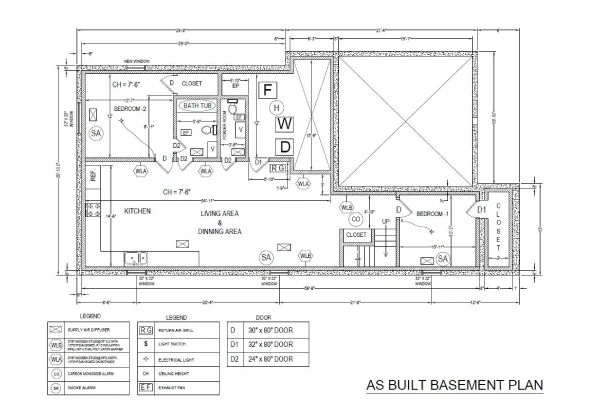
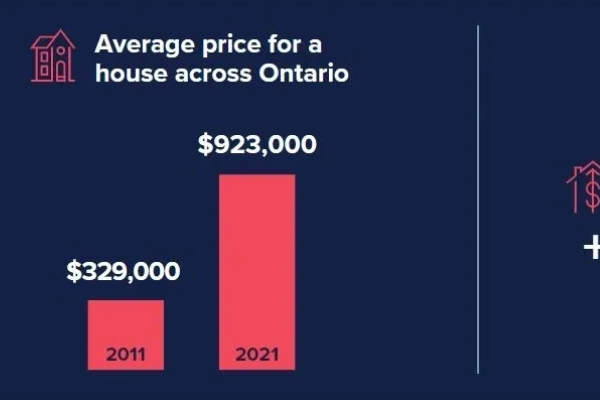
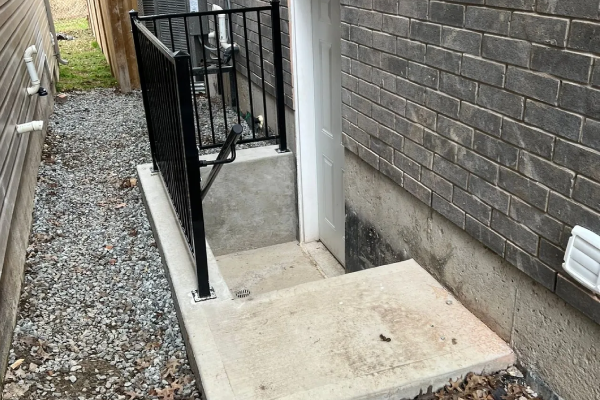
Title: The Rise of Second Dwelling Units in Ontario: Unlocking Housing Potential Introduction: In response to the mounting housing crisis, the province of Ontario has implemented progressive measures to address the shortage of affordable housing. Among these initiatives, the promotion of second dwelling units, also known as accessory dwelling units or basement apartments, has emerged as an innovative solution. This blog aims to explore the growing trend of second dwelling units in Ontario and delve into the benefits they offer to homeowners, tenants, and the community as a whole. What are Second Dwelling Units? Second dwelling units refer to self-contained living spaces within residential properties that can serve as separate units for individuals or families. These units are typically created by converting existing spaces such as basements, garages, or additions to houses. The units are equipped with their own entrance, kitchen, bathroom, and living areas, offering independent living arrangements within a single property. Supportive Government Policies: Recognizing the potential for second dwelling units to increase housing affordability, the Ontario government has implemented several policies to facilitate their creation. Important changes include streamlining the approval process, easing restrictions, and providing financial incentives for homeowners. These policies encourage the construction of second dwelling units, mitigating the housing crunch and expanding rental options in the province. Benefits of Second Dwelling Units: 1. Increased Housing Supply: The creation of second dwelling units significantly increases the overall housing supply, alleviating the scarcity of available rental units. This, in turn, helps address affordability issues by providing more choices for tenants. 2. Affordable Housing: Second dwelling units often offer more affordable rental options compared to traditional standalone apartments. By utilizing existing space within a property, homeowners can generate rental income or house family members while reducing their overall housing costs. 3. Income Generation: For homeowners, second dwelling units present an opportunity to generate additional income. This can be particularly beneficial for those struggling with mortgage payments or wishing to supplement their finances through rental earnings. 4. Aging in Place: Second dwelling units enable multi-generational living, allowing elderly homeowners to age in place while maintaining independence. These units provide parents or aging family members the chance to live close without compromising privacy. 5. Sustainable Use of Resources: Utilizing existing structures helps maximize the use of resources, reducing the need for new construction. The creation of second dwelling units aids in minimizing urban sprawl and promotes sustainable development practices. Challenges and Considerations: While the advent of second dwelling units brings significant advantages, it is essential to consider potential challenges associated with their implementation. These challenges may include ensuring compliance with building codes and regulations, addressing parking concerns, managing the increased demand for services, and protecting the privacy and quality of life of nearby residents. Conclusion: The rise of second dwelling units in Ontario represents a positive step forward in addressing the urgent need for affordable housing in the province. With supportive government policies and incentives in place, homeowners now have the opportunity to convert existing spaces into self-contained units, unlocking the potential for increased housing supply. By creating affordable choices for tenants, generating additional income for homeowners, and achieving sustainable use of resources, second dwelling units have become a win-win solution for all stakeholders involved. As Ontario continues to champion these initiatives, the future of housing in the province looks brighter, with increased availability, affordability, and livability for all residents.

Scroll to Top