Permit Canada

Residential

Residential

Garden Suites: A way of affordable living with our family

Unlocking Housing Potential: Canada Eases Mortgage Rules to Boost Garden Suites In an effort to address Canada’s ongoing housing shortage and promote innovative housing solutions, the Canadian government recently announced changes to mortgage rules, making it easier for homeowners to build and finance garden suites. These changes represent a significant step forward in creating more affordable housing options while maximizing the use of existing residential properties. What Are Garden Suites? Garden suites, also known as accessory dwelling units (ADUs), are self-contained living spaces built on the same property as a single-family home. These units can take various forms, such as detached cottages, over-garage apartments, or basement conversions. Garden suites are often used to house extended family members, generate rental income, or provide affordable housing for individuals. The Challenge of Financing Garden Suites Until now, many homeowners faced significant financial and bureaucratic hurdles when attempting to build garden suites. Strict mortgage qualification criteria and limited financing options made it difficult to access funds for these projects, stalling the widespread adoption of this housing solution. What’s Changing? The Canadian government, in collaboration with financial institutions, has introduced relaxed new mortgage rules aimed at encouraging homeowners to invest in garden suites. Key highlights of the changes include: Easier Access to Refinancing Homeowners can now refinance their mortgages more easily to fund the construction of garden suites. This includes higher loan-to-value (LTV) ratios, allowing borrowers to access more equity from their homes. Inclusion of Rental Income Anticipated rental income from a garden suite can now be considered when determining a homeowner’s ability to qualify for a mortgage. This makes it easier to secure financing by offsetting monthly payments with projected earnings. Streamlined Approval Processes Simplified approval procedures for loans tied to garden suite projects aim to reduce delays and make the process less cumbersome for homeowners. Encouraging Sustainability Incentives for energy-efficient and environmentally friendly construction practices are also part of the package, ensuring that these units contribute positively to Canada’s climate goals. Why This Matters The easing of mortgage rules aligns with Canada’s broader strategy to address the housing crisis by creating more “gentle density” in urban and suburban neighborhoods. Garden suites offer a cost-effective and sustainable way to increase housing stock without the need for large-scale infrastructure development. Benefits include: Affordability: Garden suites provide relatively low-cost housing for renters. Flexibility: Homeowners can adapt their properties to meet changing needs, such as accommodating aging parents or generating extra income. Community Strengthening: These units encourage multi-generational living and diverse neighborhood demographics. How to Get Started If you’re considering building a garden suite, now is the perfect time to explore the new opportunities created by these eased mortgage rules. Start by contacting Permit Canada: Assessing your property’s suitability for a garden suite. Consulting with an architect or designer to create a viable plan. Contacting your mortgage lender to discuss refinancing options under the new rules. Looking Ahead The Canadian government’s decision to ease mortgage rules is a proactive step toward tackling housing challenges while empowering homeowners to make better use of their properties. As the popularity of garden suites grows, so too will their potential to shape a more affordable, inclusive, and sustainable housing landscape in Canada. Stay informed and take advantage of this opportunity to contribute to Canada’s housing solution while enhancing the value of your property. Need help designing your dream garden suite? Contact Permit canada for innovative and tailored architectural solutions that bring your vision to life. Thanks, Permit Canada

Residential

Manual vs. Digital Measuring Devices in Construction

Manual vs. Digital Measuring Devices in Construction Design: Which Is Better?   In construction design, precision is non-negotiable. Whether laying out foundations or ensuring the proper alignment of beams, accurate measurements are the cornerstone of a project’s success. Measuring devices have evolved significantly over time, from traditional manual tools to advanced digital instruments. Choosing the right tool for the job can impact accuracy, efficiency, and overall project outcomes. Here’s a comprehensive comparison of manual and digital measuring devices in construction design. Manual Measuring Devices: The Classics Manual tools like tape measures, spirit levels, calipers, and protractors have been staples in the construction industry for centuries. Their simplicity and reliability make them indispensable, even in modern construction. Advantages: 1. Affordability: Manual tools are generally more budget-friendly than digital alternatives. 2. Durability: Built with robust materials, these tools can withstand tough job site conditions, including dirt, water, and impact. 3. Simplicity: No batteries, no software—just straightforward functionality. 4. Low Maintenance: Unlike digital devices, manual tools rarely require recalibration or repairs. Drawbacks: 1. Human Error: Measurements can be subjective, leading to inaccuracies. 2. Time-Consuming: Repeated measurements for accuracy verification slow down the workflow. 3. Limited Capabilities: Manual tools lack features like data storage, complex calculations, or integration with other systems. Digital Measuring Devices: The Modern Approach Digital devices like laser distance meters, electronic levels, and GPS-based tools are transforming construction design. These instruments leverage technology to provide unparalleled precision and functionality. Advantages: 1. Accuracy: Digital devices minimize human error, providing precise readings to fractions of a millimeter. 2. Efficiency: They save time by quickly generating results and automating complex calculations. 3. Advanced Features: Many devices integrate with design software, store data, and perform advanced functions like area, volume, or angle calculations. 4. Versatility: Tools like drones with LIDAR sensors can survey large areas and create detailed 3D models. Drawbacks: 1. Cost: Initial investment and maintenance costs can be significantly higher. 2. Fragility: Digital tools are more susceptible to damage from extreme conditions, such as heat, moisture, or impact. 3. Learning Curve: Workers may require training to operate complex devices effectively. 4. Dependency on Power: Batteries or charging are essential, which can lead to downtime if not managed properly.   When to Use Which? • Manual Tools: Ideal for small-scale tasks, quick measurements, and environments where durability and simplicity are critical. Examples include measuring room dimensions for a home renovation or leveling a simple structure. • Digital Tools: Best suited for large-scale projects, complex designs, or scenarios requiring high precision and efficiency. For example, using a laser distance meter for surveying or GPS tools for mapping construction sites. The Future of Measuring in Construction While manual tools remain indispensable for certain applications, the industry is undeniably moving toward digital solutions. Advances in technology, such as augmented reality (AR) and artificial intelligence (AI), are likely to further revolutionize measuring devices. Imagine AR glasses that instantly overlay measurements or AI-driven tools that automatically detect errors. Conclusion The choice between manual and digital measuring devices ultimately depends on the project’s scope, budget, and precision requirements. While manual tools offer simplicity and durability, digital devices bring speed and accuracy to the table. By understanding the strengths and limitations of each, construction professionals can make informed decisions that align with their specific needs, ensuring project success every time. Thank you, Amandeep Permit Canada

Residential

Complaint-Driven Investigations in Ontario Municipalities

The Role of Complaint-Driven Investigations in Ontario’s Building Permit Process   In Ontario, the process of issuing building permits is a critical aspect of ensuring that construction projects meet the necessary safety, health, and environmental standards. While routine inspections and permit applications form the backbone of this process, complaint-driven investigations also play a vital role in maintaining the integrity of building practices. This approach allows the authorities to address potential violations and safety issues raised by concerned citizens or stakeholders, thereby enhancing the overall safety and compliance in the construction industry. What Are Complaint-Driven Investigations? Complaint-driven investigations are initiated when a complaint is lodged against a construction project or property. These complaints can come from various sources, including neighbors, community members, or other stakeholders who suspect that a building project may not be adhering to the required standards or regulations. The complaints might concern issues such as unauthorized construction, safety hazards, zoning violations, or non-compliance with building codes. The Investigation Process 1. Receipt of Complaint: The process begins when a complaint is submitted to the municipal building department. Complaints can typically be lodged through various channels, such as online forms, phone calls, or in-person visits to the municipal offices. 2. Initial Assessment: Upon receiving a complaint, the building department conducts an initial assessment to determine its validity. This assessment may include a review of existing records, permits, and any previous inspections related to the property in question. 3. Site Inspection: If the complaint appears valid, a building inspector is dispatched to the site to conduct a thorough inspection. The inspector assesses whether the construction complies with the Ontario Building Code, zoning bylaws, and other relevant regulations. 4. Documentation and Reporting: During the inspection, the building inspector documents any violations or concerns. This documentation includes photographs, written reports, and other relevant evidence that supports the findings. 5. Enforcement Action: If violations are found, the building department takes appropriate enforcement actions. This may involve issuing orders to comply, stop-work orders, or fines. In severe cases, legal action may be pursued to ensure compliance. 6. Follow-Up Inspections: Follow-up inspections are conducted to ensure that any required corrective actions have been taken. These inspections continue until the property is brought into compliance with the relevant regulations. Importance of Complaint-Driven Investigations 1. Public Safety: By addressing complaints related to unsafe building practices, the authorities help to protect the safety and well-being of the public. This proactive approach can prevent accidents, injuries, and potential loss of life. 2. Accountability and Compliance: Complaint-driven investigations hold builders and property owners accountable for adhering to the established regulations. This fosters a culture of compliance within the construction industry. 3. Community Involvement: Allowing the public to report concerns encourages community involvement in maintaining safe and well-regulated neighborhoods. It empowers residents to take an active role in the oversight of local construction activities. 4. Efficient Use of Resources: Targeting investigations based on complaints allows building departments to allocate their resources more efficiently. Instead of random inspections, they can focus on areas where issues are most likely to occur. Challenges and Considerations While complaint-driven investigations are essential, they also come with challenges: – False Complaints: Not all complaints are valid. Some may be based on misunderstandings or conflicts between neighbors. Thorough assessments are necessary to filter out unfounded complaints. – Resource Limitations: Building departments may face limitations in terms of staffing and resources, which can impact the timely resolution of complaints. – Balancing Act: Authorities must balance the need for enforcement with fairness to property owners and builders, ensuring that actions taken are just and reasonable. Complaint-driven investigations are a crucial component of Ontario’s building permit process, ensuring that construction projects meet the necessary standards and regulations. By addressing concerns raised by the public, these investigations help to maintain the safety, integrity, and quality of buildings across the province. While challenges exist, the benefits of a vigilant and responsive approach to building permit enforcement are clear, contributing to safer and more resilient communities.   Have your received an “Order to comply” on your ongoing renovation or construction in you house? At “Permit Canada” we help clients resolves construction permit issues by dealing promptly with the City and the client. We review the “Order to comply” notices from the municipalities and discuss the concerns with the clients. We provide “Code compliant” advices to our clients and suggest them appropriate measures. We help our clients obtain necessary permits to carry out construct and demolish activities on their properties. Some of our residential services includes: Residential permit application services for: 1. Second dwelling units 2. Garden/ In-law suites 3. Residential decks/ porches 4. Home additions 5. Side/ below grade entrances 6. Load bearing wall removal 7. As-Built drawings Please reach us at “permits@permitcanada.ca” or call us at  1844-915-3300 for further queries. Thank you, Amandeep Pathak Permit Canada

Residential

The Vital Role of Building Permits in Ontario

Ensuring Safety and Quality Construction In the realm of construction, particularly in a province as bustling and diverse as Ontario, adherence to regulations and standards is paramount. One of the fundamental aspects of ensuring safety, quality, and legality in construction projects is obtaining building permits. These permits are not merely bureaucratic hurdles but rather crucial safeguards that play a pivotal role in shaping the built environment of communities across Ontario. Understanding Building Permits Before delving into their importance, let’s clarify what building permits entail. A building permit is essentially official permission from the local municipality or governing authority to construct, renovate, or demolish a building or structure. This permission is granted only after the proposed project has been thoroughly reviewed to ensure compliance with building codes, zoning regulations, and other applicable laws. In the current scenario to tackle housing crisis in Ontario, permits for basements, also popularly known as “Basement Drawing“, are in higher demand. Also, during renovation, Renovation drawings or Renovation permit are required for successful building renovations. Safety First The foremost reason why building permits are indispensable is safety. Building codes are in place to safeguard occupants, neighbors, and the community at large. By obtaining a building permit, builders commit to adhering to these codes, which encompass various aspects such as structural integrity, fire safety, electrical and plumbing standards, and accessibility requirements. In Ontario, the Building Code Act, 1992, and the Ontario Building Code (OBC) govern construction activities. These regulations are periodically updated to reflect advancements in technology, changes in construction practices, and evolving safety standards. Without building permits, there’s no guarantee that these critical safety measures are being followed, potentially putting lives and property at risk. Quality Assurance Apart from safety, building permits also ensure quality construction. The permit process involves plan reviews and inspections by qualified professionals, such as building inspectors and engineers, who verify that the proposed work meets the necessary standards. This oversight helps prevent shoddy workmanship, substandard materials, and shortcuts that could compromise the longevity and functionality of the structure. Moreover, obtaining a building permit can enhance the property value. Prospective buyers are often wary of properties with undocumented renovations or additions, as these may signify hidden defects or non-compliance with regulations. A property with all the requisite permits provides assurance to buyers that the work was done properly and legally, thus increasing its marketability and value. Regulatory Compliance and Legal Obligations Beyond safety and quality considerations, building permits are essential for regulatory compliance and legal protection. Operating without the necessary permits can lead to fines, stop-work orders, and even legal liabilities. In Ontario, municipalities have the authority to enforce compliance with building regulations, and they actively monitor construction activities to ensure adherence to the law. Additionally, building permits facilitate accountability and transparency in the construction process. They create a paper trail documenting the details of the project, including approved plans, inspections, and any deviations from the original scope of work. This documentation can be invaluable in resolving disputes, obtaining insurance coverage, and demonstrating compliance with regulatory requirements. Building permit drawing requirements for building permits vary depending on the jurisdiction and the complexity of the project. However, there are some common elements of Building permit drawings that are typically required in building permit drawings to ensure clarity, compliance with regulations, and effective communication of the proposed construction project. Here’s a general overview of what may be expected: 1. Site Plan: Property Lines: Clearly indicate the boundaries of the property where the construction will take place. Setbacks: Show the required distances between the proposed structure and property lines, roads, easements, and other structures. Utilities: Mark the locations of existing utilities such as water lines, sewer lines, gas lines, and electrical services. Driveways and Access Points: Show the location, width, and design of driveways, pedestrian pathways, and vehicular access points. Landscaping: Include existing trees, vegetation, and landscaping features that may be affected by the construction. 2. Floor Plans: Layout: Provide detailed floor plans for building permits showing the layout of each floor of the proposed building or structure. Dimensions: Plans for permits include dimensions for all rooms, corridors, hallways, doors, and windows. Room Designations: Label each room with its intended use (e.g., bedroom, kitchen, bathroom) and indicate any special features or fixtures. This Help with building permits for easy identification of spaces in the plans Structural Elements: Show the location of structural elements such as load-bearing walls, columns, beams, and stairs. Accessibility Features: Ensure compliance with accessibility requirements by including features such as ramps, elevators, and accessible bathrooms. 3. Elevations: Exterior Views: Provide elevation drawings showing the exterior views of the building from all sides. Building Height: Indicate the overall height of the building, including rooflines, parapets, and any architectural features. Materials and Finishes: Specify the materials and finishes to be used on the exterior of the building, including siding, brickwork, windows, and doors. Fenestration: Show the location, size, and style of windows, doors, and other openings on each elevation. 4. Structural Drawings: Foundation Plan: Detail the design and layout of the foundation, including footings, piers, and foundation walls. Floor Framing Plan: Show the layout and size of floor joists, beams, and supports. Roof Framing Plan: Illustrate the design and configuration of roof trusses, rafters, and structural supports. Structural Details: Provide detailed drawings and specifications for critical structural elements, connections, and assemblies. 5. Mechanical, Electrical, and Plumbing (MEP) Drawings: Mechanical Systems: Include drawings and specifications for HVAC (heating, ventilation, and air conditioning) systems, ductwork, and mechanical equipment. Electrical Systems: Show the layout of electrical wiring, outlets, switches, lighting fixtures, and electrical panels. Plumbing Systems: Detail the design and layout of plumbing fixtures, pipes, drains, vents, and water supply lines. 6. Additional Requirements: Energy Efficiency: Demonstrate compliance with energy efficiency requirements by including calculations, insulation details, and specifications for energy-efficient systems. Fire Safety: Provide drawings and specifications for fire protection systems, including fire alarms, sprinklers, and emergency exits. Special Inspections: If required, include plans for special inspections such as soil testing, structural analysis, or environmental assessments. Conclusion In essence, basement permit cost for obtaining building permits are not bureaucratic nuisances but rather indispensable tools for ensuring safety, quality, and legality in construction projects. They serve as a protective shield, safeguarding the interests of

Residential

Drywall Solutions for Fire Protection in Ontario Basements

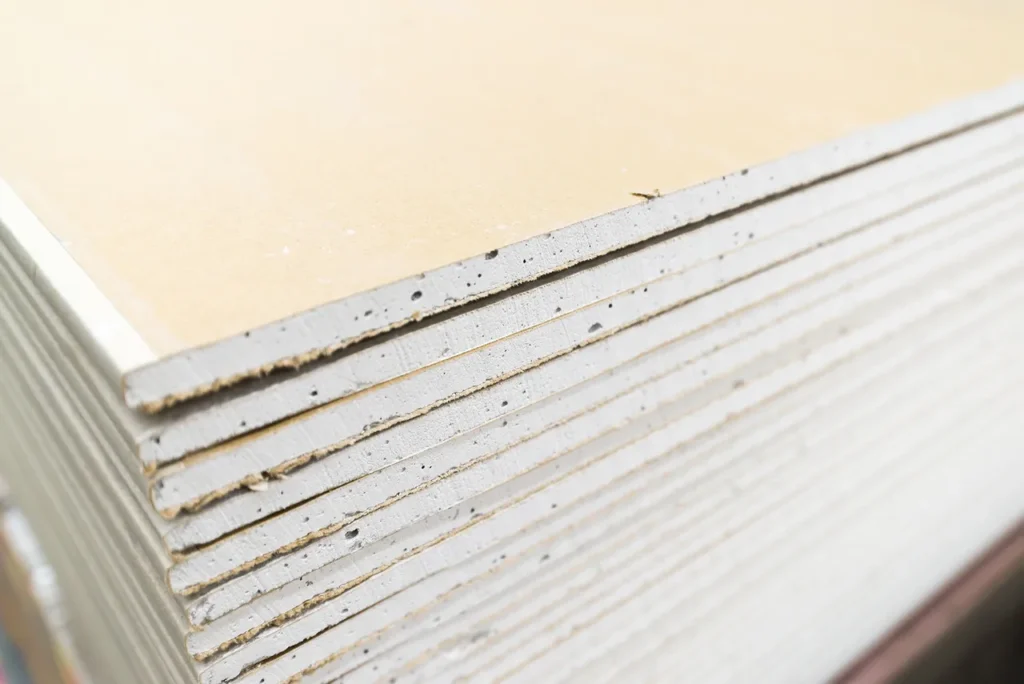
Introduction Basements apartments in Ontario are critical areas in residential and commercial buildings that require effective fire protection measures to ensure occupant safety and structural integrity. In Ontario, the use of specific drywall materials and assemblies plays a vital role in meeting fire safety standards for basement construction. Understanding the types of drywall suitable for basement fire protection is essential for complying with provincial regulations and enhancing overall building safety. Permit Canada take utmost care in design of second dwelling units or legal basements when it comes to life protection from fires. We use code specific material combinations to achieve ultimate fire and sound travel protection. What Ontario Building Code says in when it comes to avoiding or delaying vertical and horizontal fire travel. Drywall Options for Basement Fire Protection 1. Type X Gypsum Board: – Description: Type X drywall is a standard choice for fire protection in basements. It contains additives that enhance fire resistance. – Key Features: – Offers approximately one hour of fire resistance. – Widely used in walls and ceilings to slow down the spread of fire. 2. Fire-Resistant Drywall (Type C): – Description: Fire-resistant drywall is designed with additional materials like glass fibers for enhanced fire protection. – Key Features: – Provides extended fire resistance compared to Type X, typically up to two hours or more. – Ideal for areas requiring higher fire protection levels, such as stairwells and utility rooms. 3. Cement Board: – Description: Cement board is a non-combustible option suitable for basement walls and ceilings. – Key Features: – Offers excellent fire resistance and durability. – Resistant to moisture, making it suitable for basements prone to dampness. 4. Fire-Rated Gypsum Panels: – Description: These panels are specifically engineered to withstand fire exposure. – Key Features: – Provides varying levels of fire resistance, ranging from one to four hours depending on the product. – Ideal for creating fire-rated partitions and enclosures in basement areas. – Building Code Compliance: Ensure all drywall materials and assemblies meet or exceed the fire resistance requirements outlined in the Ontario Building Code (OBC). – Moisture Resistance: Given potential moisture issues in basements, select drywall materials that are resistant to mold and mildew growth. – Installation Details: Follow proper installation practices, including sealing joints and penetrations, to maintain the integrity of fire-rated assemblies. – Integration with Other Fire Protection Measures: Combine drywall solutions with fire doors, smoke alarms, and proper escape routes to create a comprehensive fire safety plan for basements.   Conclusion Choosing the right drywall materials for basement fire protection is crucial for mitigating fire risks and ensuring compliance with Ontario’s stringent building regulations. By selecting appropriate drywall types and adhering to installation guidelines, builders and homeowners can create safer and more resilient basement environments that prioritize fire safety. Integrating drywall solutions with other fire protection measures enhances overall building security and contributes to the overall safety of occupants in Ontario’s buildings. Incorporating these considerations into basement construction projects, Permit Canada underscores a commitment to fire safety and regulatory compliance, ultimately fostering secure and resilient built environments throughout Ontario. Thank you, Amandeep Pathak Permit Canada

Residential

Enhancing Energy Efficiency in Basements in Ontario

Enhancing Energy Efficiency in Basements: Strategies and Solutions for Ontario Introduction Basements play a crucial role in residential and commercial buildings, particularly in Ontario, where they provide valuable space for various purposes. However, these areas are often overlooked when it comes to energy efficiency. Improving energy efficiency in basements can contribute significantly to overall building performance and sustainability goals. This topic explores innovative strategies to enhance energy efficiency specifically tailored to basement spaces in Ontario. Current Challenges in Basement Energy Efficiency Ontario’s climate presents unique challenges for basement energy efficiency, including issues related to insulation, moisture control, and heating. Basements tend to be colder and damper compared to upper floors, leading to increased energy consumption for heating and dehumidification. Additionally, air leakage and inadequate insulation further exacerbate energy inefficiencies. Key Strategies for Improving Energy Efficiency 1. Effective Insulation Techniques: Utilizing appropriate insulation materials and techniques is essential for maintaining a comfortable temperature and reducing heat loss in basements. Strategies may include insulating walls, floors, and ceilings to prevent thermal bridging.   2. Moisture Management: Controlling moisture is critical to prevent mold growth and maintain indoor air quality. Implementing proper waterproofing methods, such as exterior drainage systems and moisture barriers, can enhance energy efficiency by reducing the load on heating and ventilation systems. 3. Air Sealing: Sealing air leaks around windows, doors, and foundation walls can significantly improve energy efficiency. Weather-stripping and caulking are effective methods to minimize drafts and heat loss.   4. Energy-Efficient Lighting: Switching to LED lighting and incorporating daylighting strategies can reduce electricity consumption in basements.   5. High-Efficiency HVAC Systems: Installing energy-efficient heating, ventilation, and air conditioning (HVAC) systems specifically designed for basement spaces can optimize energy usage.   6. Natural Ventilation and Air Exchange: Implementing passive ventilation strategies, such as window placement and air vents, can improve indoor air quality and reduce the need for mechanical ventilation. Regulatory and Incentive Programs Exploring existing building codes, energy efficiency standards, and available incentives (e.g., rebates, tax credits) specific to basement renovations and upgrades can encourage homeowners and builders to adopt energy-efficient practices. Technological Innovations Highlighting emerging technologies like smart thermostats, energy monitoring systems, and heat recovery ventilation (HRV) units can further enhance basement energy efficiency while providing real-time data for optimization. Case Studies and Best Practices Examining successful case studies and best practices from Ontario-based projects that have effectively improved basement energy efficiency can provide practical insights and inspiration for future initiatives. Conclusion Improving energy efficiency in basements is a multifaceted endeavor that requires a holistic approach encompassing insulation, moisture management, ventilation, lighting, and HVAC systems. By implementing innovative strategies tailored to Ontario’s climate and building regulations, stakeholders can achieve significant energy savings, reduce environmental impact, and enhance overall comfort and livability in basement spaces. This topic outline provides a comprehensive overview of the key aspects involved in enhancing energy efficiency in basements specifically for Ontario. It delves into challenges, strategies, regulations, technologies, and case studies to offer a well-rounded exploration of this important subject. Thank you, Amandeep Pathak Permit Canada

Residential

Role of Garden suites to tackle current housing crisis in Ontario

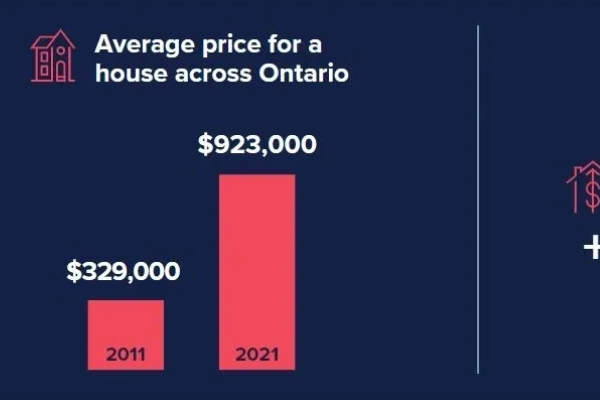
Housing shortages have been a pressing issue in Ontario, particularly in major urban centers like Toronto and Ottawa, where demand for housing has outpaced supply, leading to affordability challenges and increased homelessness. The shortage of affordable housing has been exacerbated by factors such as population growth, limited land availability for development, and escalating property prices. To address this issue, the Ontario government has implemented several measures aimed at increasing housing supply and improving affordability: 1. Increasing Housing Supply: The government has prioritized increasing the supply of housing through initiatives such as the More Homes, More Choice Act. This legislation aims to streamline the development approval process, reduce red tape, and encourage the construction of new housing units. By cutting unnecessary regulations and expediting approvals, the goal is to make it easier for developers to build more homes, including affordable and rental housing. 2. Supporting Affordable Housing Initiatives: Ontario has committed significant funding to support the creation of affordable housing units. This includes investments in programs like the Ontario Priorities Housing Initiative (OPHI) and the Community Housing Renewal Strategy. These programs provide financial support to municipalities, non-profit organizations, and private developers to build affordable rental housing and refurbish existing units. 3. Encouraging Secondary Units: To maximize existing housing stock, the government has encouraged the creation of secondary units, such as basement apartments and laneway houses. Changes in regulations and zoning rules have been introduced to make it easier for homeowners to add these units to their properties, increasing the availability of rental housing options. 4. Rent Control Policies: The Ontario government has implemented rent control policies to protect tenants from significant rent increases. This stability in rental costs aims to make housing more affordable and secure for renters. 5. Housing Supply Action Plan: The province has developed a comprehensive Housing Supply Action Plan to address the housing crisis. This plan includes measures to expedite the development process, protect provincial interests in land use planning, and support innovative housing solutions. 6. Collaboration with Municipalities and Stakeholders: The government is working closely with municipalities, developers, and community organizations to develop holistic solutions to the housing shortage. Collaborative efforts aim to identify barriers to housing development and implement effective strategies to overcome them. 7. Promotion of Transit-Oriented Development: Ontario is promoting transit-oriented development (TOD) around major transit hubs. By concentrating housing and amenities around public transportation nodes, the government aims to reduce urban sprawl, improve mobility, and create vibrant, sustainable communities. 8. Supporting Homeownership: Various programs have been introduced to support first-time homebuyers, including incentives such as the First-Time Home Buyer Incentive and the Land Transfer Tax Refund for First-Time Homebuyers. These initiatives aim to make homeownership more accessible to Ontarians. Despite these efforts, the housing shortage remains a complex and persistent issue in Ontario. Continued collaboration between government, industry stakeholders, and community organizations will be essential to implement effective, sustainable solutions that address the diverse housing needs of the province’s growing population. Role of garden suites to tackle the current housing crisis Garden suites, also known as laneway houses or backyard cottages, play a significant role in addressing the housing situation in Ontario by offering a creative and efficient way to increase housing supply, especially in urban areas where space is limited. These secondary dwelling units built within residential properties have the potential to provide affordable housing options and promote sustainable urban development. Here’s how garden suites contribute to addressing Ontario’s housing challenges: 1. Increased Housing Supply: Garden suites add to the housing stock without requiring additional land, making efficient use of existing residential properties. By utilizing underutilized spaces like backyards or laneways, homeowners can create new living spaces that contribute to addressing the housing shortage. 2. Affordable Housing Options: Garden suites offer more affordable rental opportunities within established neighborhoods, providing alternative housing choices for renters who may be priced out of traditional housing markets. These smaller units can cater to students, young professionals, or seniors looking for more accessible and affordable housing options. 3. Diverse Housing Types: Garden suites contribute to diversifying the housing stock by offering a range of housing types. They can accommodate various household sizes and demographics, from single individuals to small families or multigenerational households, thereby meeting diverse housing needs within the community. 4. Incremental Density: By allowing the construction of garden suites, Ontario can achieve incremental density in residential neighborhoods without compromising the character of existing communities. This gradual densification supports efficient land use and promotes transit-oriented development by increasing population density around existing infrastructure. 5. Support for Aging in Place: Garden suites can provide an opportunity for aging homeowners to downsize while remaining in their communities. Older adults can move into the garden suite and rent out their main house, allowing them to maintain financial stability and stay connected to their neighborhoods. 6. Environmental Benefits: Utilizing garden suites can promote sustainability by reducing urban sprawl and car dependence. Residents of garden suites are more likely to use public transportation or walk, contributing to lower carbon emissions and promoting a more eco-friendly lifestyle. 7. Support for Homeowners: Building a garden suite can provide additional income for homeowners, helping them offset housing costs or mortgage payments. This financial flexibility can improve housing affordability for homeowners while utilizing their property more effectively. 8. Government Support and Policy Changes: The Ontario government has recognized the importance of garden suites in addressing housing needs. Changes to zoning and building regulations, such as allowing for secondary units and streamlining approval processes, demonstrate a commitment to promoting these types of housing solutions. In conclusion, garden suites offer a practical and sustainable approach to addressing Ontario’s housing situation by leveraging existing residential properties to create additional housing options. By supporting the development of garden suites through policy changes and community engagement, Ontario can harness their potential to increase housing supply, enhance affordability, and foster more inclusive and resilient communities. Permit Canada is contributing its fair share of services to help community address this situation by providing affordable design and permit application services in

Residential

What is Ontario Building Code Act

Building Code Act in Ontario: Ensuring Safe and Sustainable Construction The Building Code Act in Ontario, Canada, is a crucial legislative framework designed to regulate and promote safe and sustainable construction practices throughout the province. Enacted in 1992, this Act establishes standards for the construction, renovation, and maintenance of buildings to ensure public safety, accessibility, and energy efficiency. Here’s a detailed look at the key aspects and significance of the Building Code Act in Ontario: 1. Purpose and Scope: – The primary goal of the Building Code Act is to establish minimum standards for the design, construction, and occupancy of buildings. – It applies to new construction, renovations, and changes of use in existing buildings. 2. Building Code Regulations: – The Act is supported by the Ontario Building Code (OBC), which details technical requirements and standards for various aspects of construction, such as structural integrity, fire safety, plumbing, accessibility, and energy efficiency. – The OBC is regularly updated to align with advancements in technology, safety practices, and environmental considerations. 3. Permitting and Inspections: – The Act mandates that building permits must be obtained before commencing most types of construction or renovation projects. – Local municipalities are responsible for enforcing the Act through inspections to ensure compliance with the OBC. 4. Public Safety and Accessibility: – The Act places a strong emphasis on public safety by setting standards for structural stability, fire protection, and other critical safety measures. – It also promotes accessibility by incorporating requirements for barrier-free design in buildings to accommodate persons with disabilities. 5. Energy Efficiency and Environmental Sustainability: – The Act includes provisions to improve energy efficiency and reduce environmental impact through requirements for insulation, HVAC systems, lighting, and other building components. – The goal is to encourage sustainable building practices and reduce greenhouse gas emissions associated with buildings. 6. Enforcement and Compliance: – Municipal building departments are responsible for enforcing the Act within their jurisdictions. – Non-compliance with the Act can result in penalties, stop-work orders, or other enforcement actions. 7. Continuous Improvement: – The Building Code Act is subject to periodic review and updates to address emerging issues, technological advancements, and lessons learned from incidents or disasters. 8. Impact on Industry and Development: – The Act plays a critical role in shaping the construction industry in Ontario by setting consistent standards and ensuring accountability. – It contributes to the overall quality, safety, and longevity of buildings across the province. In conclusion, the Building Code Act in Ontario is a cornerstone of the province’s efforts to promote safe, accessible, and sustainable building practices. By establishing clear standards and requirements, the Act helps protect public health and safety while supporting responsible development and construction activities. It reflects Ontario’s commitment to enhancing the built environment for the benefit of all residents and visitors. Thank you, Amandeep Pathak Permit Canada

Residential

Fire escape provisions from Basements

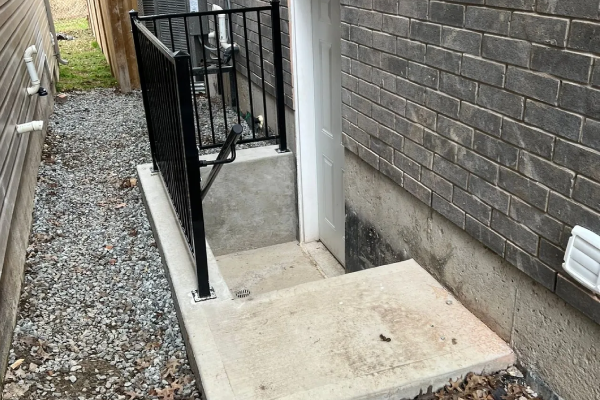
Exit Options from Basements: Requirements and Considerations This topic provides a comprehensive overview of the exit options available for basements in Ontario, highlighting the importance of safety, compliance, and practical solutions for homeowners and builders alike. Introduction Basements serve as vital living spaces in many homes across Ontario, Canada. Given their unique construction and often below-grade location, it’s crucial to understand the various exit options required by building codes and regulations. This topic explores the specific requirements and considerations for exit options from basements in Ontario. THE ONTARIO BUILDING CODE | EGRESS WINDOWS OR DOORS FOR BEDROOMS 9.9.10.1. Egress windows or doors for Bedrooms (1) Except where a door on the same floor level as the bedroom provides direct access to the exterior, every floor level containing a bedroom in a suite shall be provided with at least one outside window that, (a) is openable from the inside without the use of tools, (b) provides an individual, unobstructed open portion having a minimum area of 0.35 m² with no dimension less than 380 mm, and (c) maintains the required opening described in Clause (b) without the need for additional support. (2) Except for basement areas, the window required in Sentence (1) shall have a maximum sill height of 1 000 mm above the floor. (3) When sliding windows are used, the minimum dimension described in Sentence (1) shall apply to the openable portion of the window. (4) Where the sleeping area within a live/work unit is on a mezzanine with no obstructions more than 1 070 mm above the floor, the window required in Sentence (1) may be provided on the main level of the live/work unit provided the mezzanine is not more than 25% of the area of the live/work unit or 20 m2, whichever is less, and an unobstructed direct path of travel is provided from the mezzanine to this window. (5) Where a window required in Sentence (1) opens into a window well, a clearance of not less than 550 mm shall be provided in front of the window. (6) Where the sash of a window referred to in Sentence (5) swings towards the window well, the operation of the sash shall not reduce the clearance in a manner that would restrict escape in an emergency. (7) Where a protective enclosure is installed over the window well referred to in Sentence (5), such enclosure shall be openable from the inside without the use of keys, tools or special knowledge of the opening mechanism Exit Requirements 1. Egress Windows: One of the primary exit options for basements in Ontario is through egress windows. These windows must meet specific size and accessibility criteria set by the Ontario Building Code (OBC). The window must have a minimum unobstructed open area for escape and must be easily operable from the inside without the use of tools. 2. Window Wells: Egress windows typically require window wells when the window sill is located below grade. Window wells provide a space outside the window for emergency egress and should also meet certain standards for size and accessibility. 3. Exterior Doors: Basements may also have direct access to the exterior through exterior doors. These doors should lead to a safe outdoor area, such as a ground-level patio or yard, free from obstructions. Considerations and Regulations 1. Building Codes: All exit options from basements in Ontario must adhere to the regulations outlined in the Ontario Building Code. These codes specify the dimensions, construction, and accessibility requirements for egress windows, window wells, and exterior doors. 2. Safety and Accessibility: The primary purpose of exit options in basements is to ensure the safety and accessibility of occupants in case of emergencies such as fires or other hazards. It’s essential to consider ease of use and accessibility for all household members. 3. Permit Requirements: Installing or modifying exit options in basements often requires building permits from the local municipality. Compliance with building codes and regulations is typically verified during the permit application process. Common Issues and Solutions 1. Window Well Drainage: Proper drainage around window wells is crucial to prevent water accumulation and potential flooding. Improper drainage can lead to water ingress into the basement. 2. Window Well Covers: Installing secure and properly fitting covers for window wells is essential to prevent accidents and ensure the well remains free from debris and snow accumulation. 3. Emergency Planning: Educating household members about the location and use of basement exits during emergencies is vital. Regularly testing exit options and ensuring they remain unobstructed is recommended. Conclusion Understanding the exit options from basements in Ontario is essential for both homeowners and builders. Compliance with building codes and regulations ensures the safety and accessibility of basement living spaces. By implementing proper exit options and considering safety measures, basements can be transformed into functional and secure areas of the home. Thank you, Amandeep Pathak Permit Canada

Residential

Process to legalize your exiting basements in Ontario

Legalizing existing basements in Ontario typically involves several steps to ensure compliance with building codes and municipal regulations. Here’s a general process: 1. Check Building Codes: Start by reviewing the Ontario Building Code to understand the requirements for basement construction, occupancy, and safety standards. You can access this code online or through your local building department. 2. Contact Local Municipality: Reach out to your local municipal building department to inquire about specific regulations and requirements for legalizing a basement. Each municipality may have its own set of rules and procedures. 3. Assessment of Current Basement: Evaluate the current condition of your basement to identify any deficiencies or areas that need improvement to meet building code standards. This may include structural integrity, electrical wiring, plumbing, ventilation, and fire safety measures. 4. Hire a Professional: Consider hiring a qualified architect, engineer, or contractor with experience in basement renovations and building code compliance. They can assess your basement, provide guidance on necessary upgrades, and help with the permit application process. 5. Apply for Permits: Obtain the necessary permits based on “residential permit drawings” from your local building department before starting any renovation work. Depending on the scope of the project, you may need permits for structural changes, electrical work, plumbing, and occupancy. 6. Complete Required Upgrades: Make any necessary upgrades or repairs to bring your basement up to code standards by referring the approved “Building permit drawings” . This may include installing proper insulation, adding egress windows for emergency exits, upgrading electrical wiring, and ensuring adequate ventilation and fire protection. 7. Inspections: Schedule inspections using the “Floor plan for building permit” with the building department at various stages of the renovation process to ensure compliance with building codes and regulations. Inspections may be required for framing, electrical, plumbing, insulation, and final occupancy. 8. Final Approval: Once all necessary upgrades are completed and inspections are passed, you can obtain final approval from the building department to legalize your basement. This typically involves submitting documentation and paying any required fees. 9. Update Property Records: Ensure that the legalization of your basement is reflected in the property records. This may involve updating the property’s assessment and notifying relevant authorities about the changes. 10. Occupancy: Once the basement is legalized and all necessary approvals are obtained, you can safely occupy the space according to its designated use (e.g., as a living area, rental unit, etc.). It’s essential to follow all applicable regulations and obtain the required permits to ensure the safety and legality of your basement renovation project. Consulting with professionals and working closely with your local building department can help streamline the process and avoid potential issues. For all your basement design and permit application needs in Ontario, please reach us at 647-628-5162 and email us at query@pathakdesign.ca. Alternatively, you can book an appointment conveniently at our website. Thank you, Amandeep Pathak Permit Canada

Scroll to Top