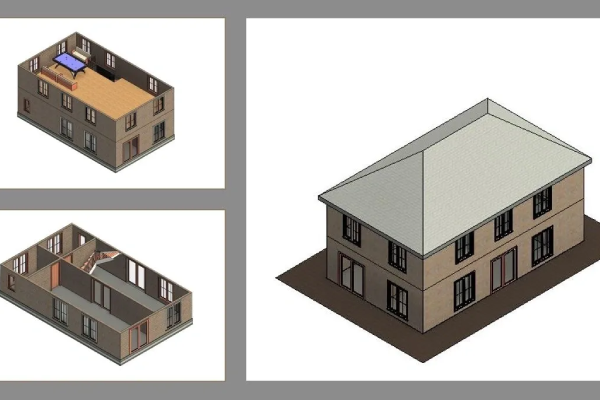
Garden Suites: A way of affordable living with our family
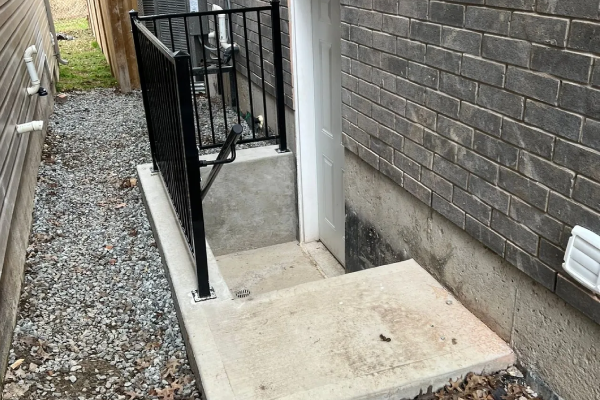
Unlocking Housing Potential: Canada Eases Mortgage Rules to Boost Garden Suites In an effort to address Canada’s ongoing housing shortage and promote innovative housing solutions, the Canadian government recently announced changes to mortgage rules, making it easier for homeowners to build and finance garden suites. These changes represent a significant step forward in creating more affordable housing options while maximizing the use of existing residential properties. What Are Garden Suites? Garden suites, also known as accessory dwelling units (ADUs), are self-contained living spaces built on the same property as a single-family home. These units can take various forms, such as detached cottages, over-garage apartments, or basement conversions. Garden suites are often used to house extended family members, generate rental income, or provide affordable housing for individuals. The Challenge of Financing Garden Suites Until now, many homeowners faced significant financial and bureaucratic hurdles when attempting to build garden suites. Strict mortgage qualification criteria and limited financing options made it difficult to access funds for these projects, stalling the widespread adoption of this housing solution. What’s Changing? The Canadian government, in collaboration with financial institutions, has introduced relaxed new mortgage rules aimed at encouraging homeowners to invest in garden suites. Key highlights of the changes include: Easier Access to Refinancing Homeowners can now refinance their mortgages more easily to fund the construction of garden suites. This includes higher loan-to-value (LTV) ratios, allowing borrowers to access more equity from their homes. Inclusion of Rental Income Anticipated rental income from a garden suite can now be considered when determining a homeowner’s ability to qualify for a mortgage. This makes it easier to secure financing by offsetting monthly payments with projected earnings. Streamlined Approval Processes Simplified approval procedures for loans tied to garden suite projects aim to reduce delays and make the process less cumbersome for homeowners. Encouraging Sustainability Incentives for energy-efficient and environmentally friendly construction practices are also part of the package, ensuring that these units contribute positively to Canada’s climate goals. Why This Matters The easing of mortgage rules aligns with Canada’s broader strategy to address the housing crisis by creating more “gentle density” in urban and suburban neighborhoods. Garden suites offer a cost-effective and sustainable way to increase housing stock without the need for large-scale infrastructure development. Benefits include: Affordability: Garden suites provide relatively low-cost housing for renters. Flexibility: Homeowners can adapt their properties to meet changing needs, such as accommodating aging parents or generating extra income. Community Strengthening: These units encourage multi-generational living and diverse neighborhood demographics. How to Get Started If you’re considering building a garden suite, now is the perfect time to explore the new opportunities created by these eased mortgage rules. Start by contacting Permit Canada: Assessing your property’s suitability for a garden suite. Consulting with an architect or designer to create a viable plan. Contacting your mortgage lender to discuss refinancing options under the new rules. Looking Ahead The Canadian government’s decision to ease mortgage rules is a proactive step toward tackling housing challenges while empowering homeowners to make better use of their properties. As the popularity of garden suites grows, so too will their potential to shape a more affordable, inclusive, and sustainable housing landscape in Canada. Stay informed and take advantage of this opportunity to contribute to Canada’s housing solution while enhancing the value of your property. Need help designing your dream garden suite? Contact Permit canada for innovative and tailored architectural solutions that bring your vision to life. Thanks, Permit Canada