
Manual vs. Digital Measuring Devices in Construction Design: Which Is Better?
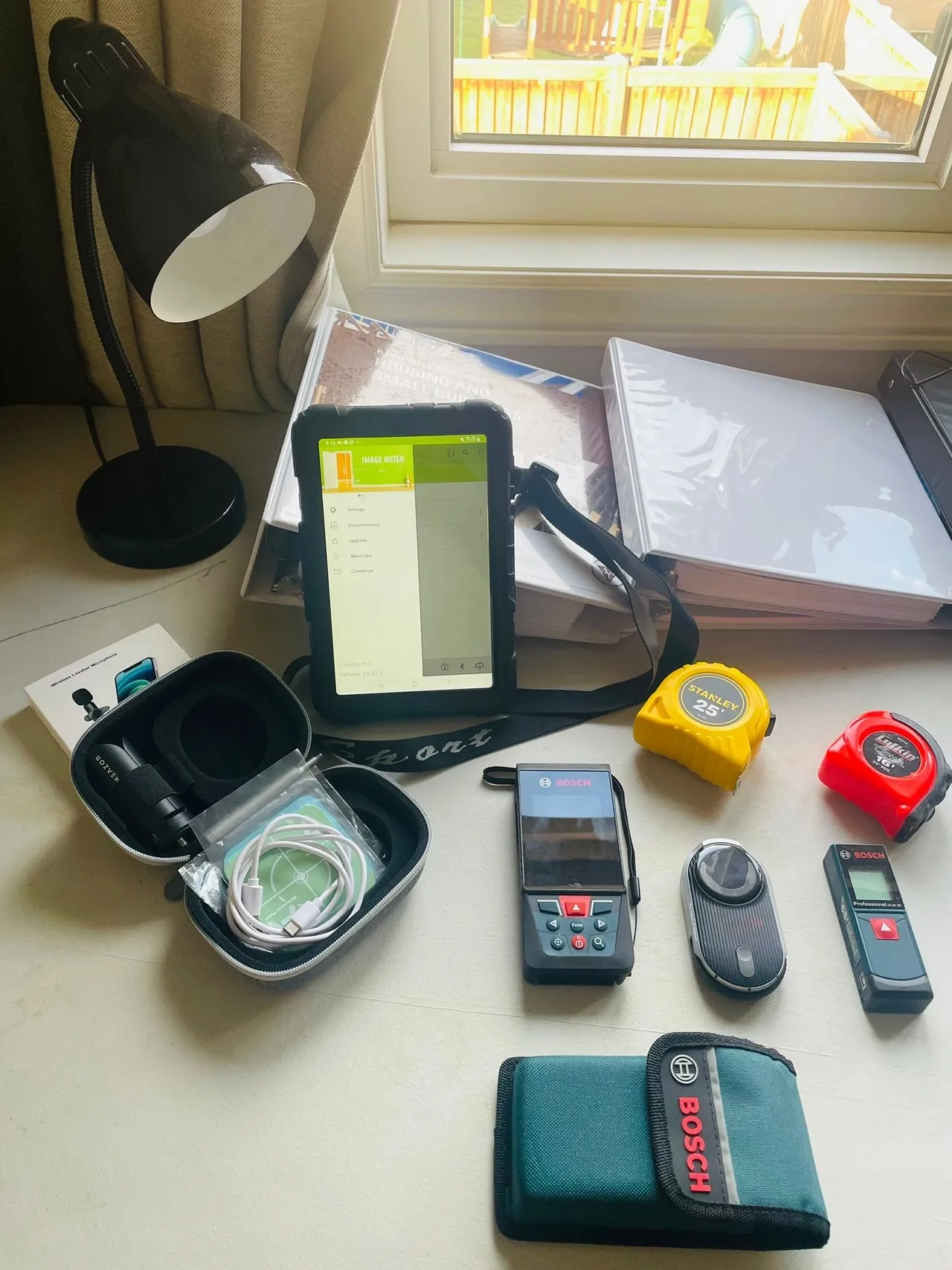
In construction design, precision is non-negotiable. Whether laying out foundations or ensuring the proper alignment of beams, accurate measurements are the cornerstone of a project’s success. Measuring devices have evolved significantly over time, from traditional manual tools to advanced digital instruments. Choosing the right tool for the job can impact accuracy, efficiency, and overall project outcomes. Here’s a comprehensive comparison of manual and digital measuring devices in construction design.
Manual Measuring Devices: The Classics
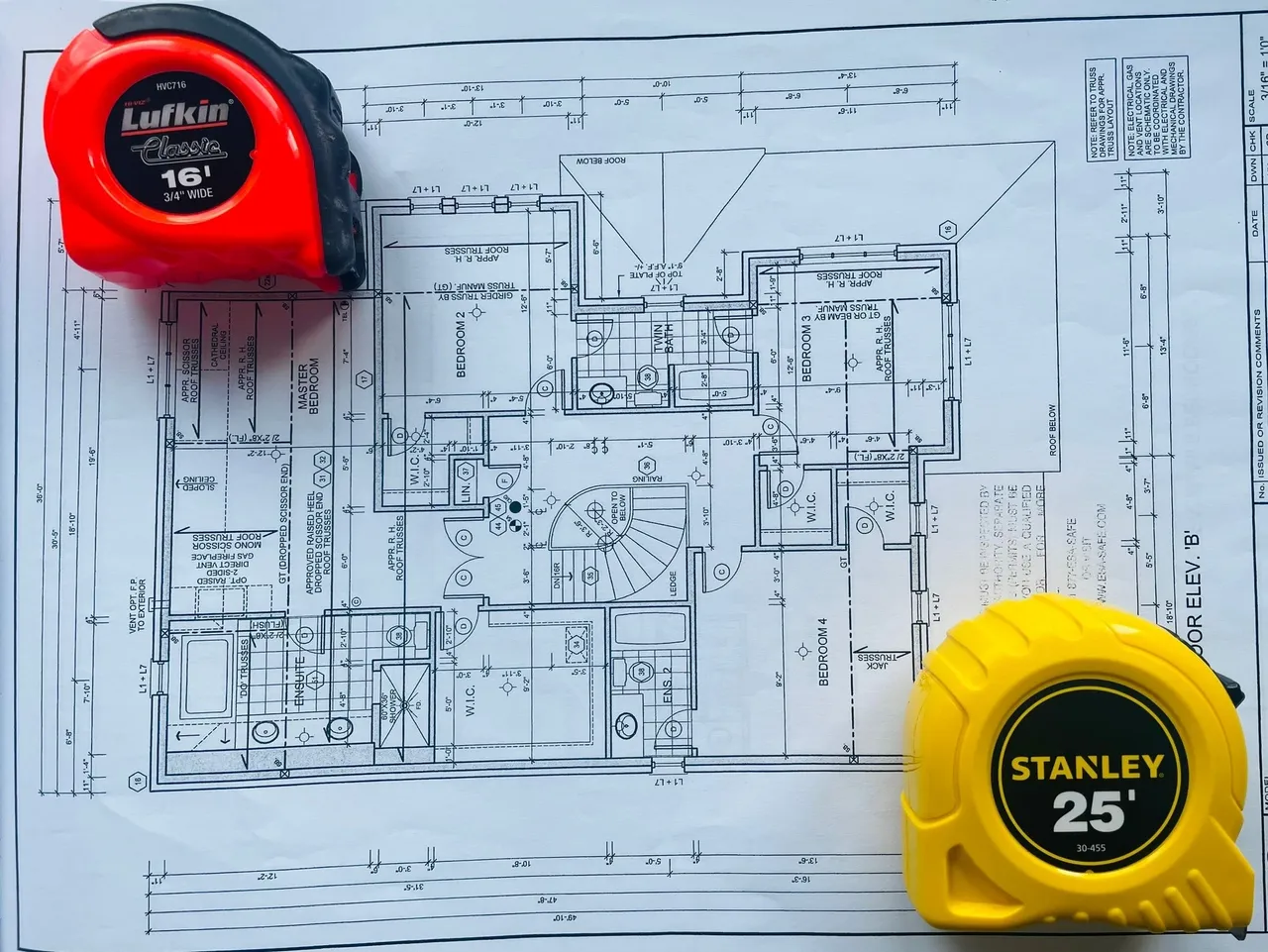
Manual tools like tape measures, spirit levels, calipers, and protractors have been staples in the construction industry for centuries. Their simplicity and reliability make them indispensable, even in modern construction.
Advantages:
1. Affordability: Manual tools are generally more budget-friendly than digital alternatives.
2. Durability: Built with robust materials, these tools can withstand tough job site conditions, including dirt, water, and impact.
3. Simplicity: No batteries, no software—just straightforward functionality.
4. Low Maintenance: Unlike digital devices, manual tools rarely require recalibration or repairs.
Drawbacks:
1. Human Error: Measurements can be subjective, leading to inaccuracies.
2. Time-Consuming: Repeated measurements for accuracy verification slow down the workflow.
3. Limited Capabilities: Manual tools lack features like data storage, complex calculations, or integration with other systems.
Digital Measuring Devices: The Modern Approach
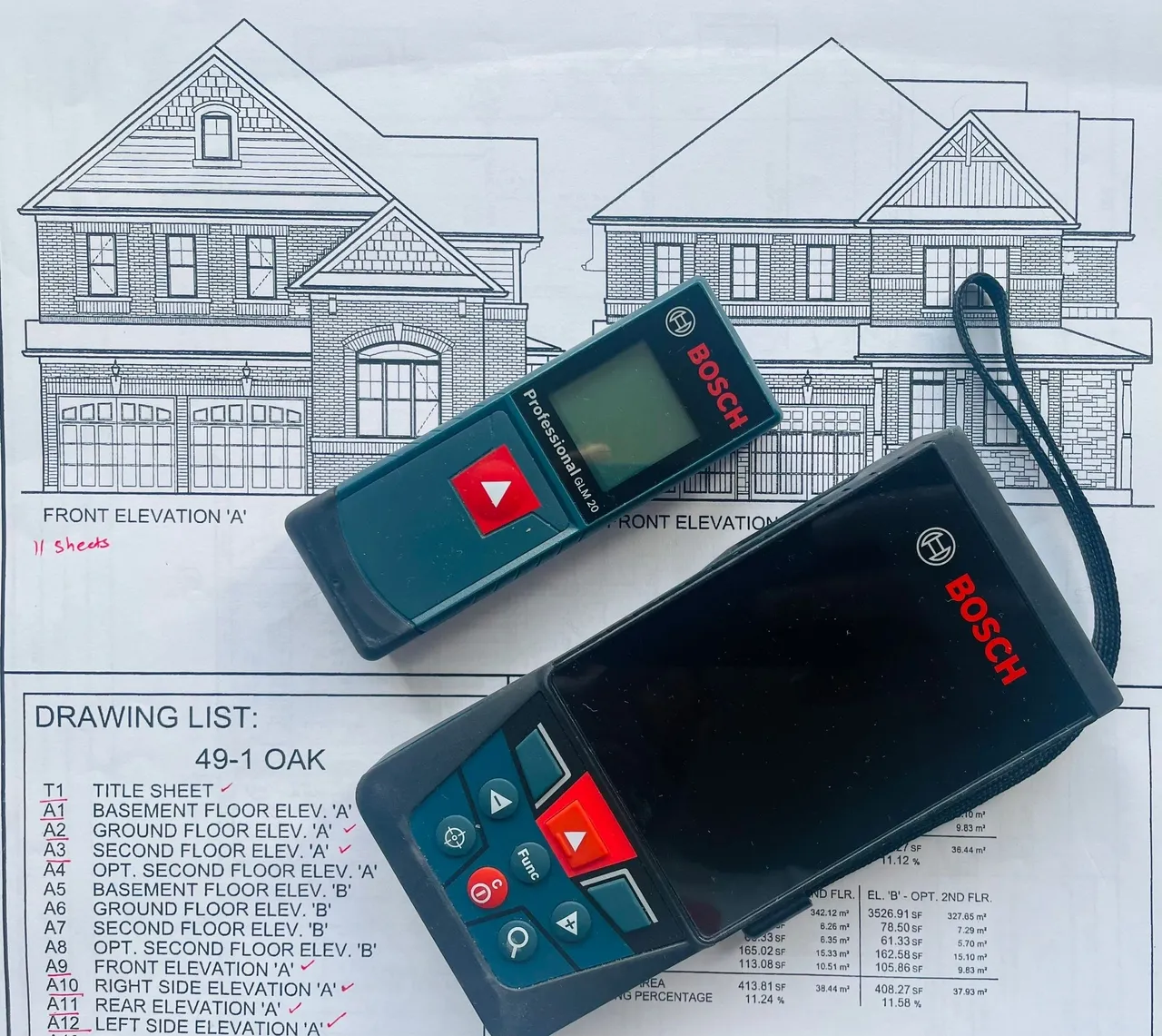
Digital devices like laser distance meters, electronic levels, and GPS-based tools are transforming construction design. These instruments leverage technology to provide unparalleled precision and functionality.
Advantages:
1. Accuracy: Digital devices minimize human error, providing precise readings to fractions of a millimeter.
2. Efficiency: They save time by quickly generating results and automating complex calculations.
3. Advanced Features: Many devices integrate with design software, store data, and perform advanced functions like area, volume, or
angle calculations.
4. Versatility: Tools like drones with LIDAR sensors can survey large areas and create detailed 3D models.
Drawbacks:
1. Cost: Initial investment and maintenance costs can be significantly higher.
2. Fragility: Digital tools are more susceptible to damage from extreme conditions, such as heat, moisture, or impact.
3. Learning Curve: Workers may require training to operate complex devices effectively. 4. Dependency on Power: Batteries or charging are essential, which can lead to downtime if not managed properly.

When to Use Which?
• Manual Tools: Ideal for small-scale tasks, quick measurements, and environments where durability and simplicity are critical. Examples include measuring room dimensions for a home renovation or leveling a simple structure.
• Digital Tools: Best suited for large-scale projects, complex designs, or scenarios requiring high precision and efficiency. For example, using a laser distance meter for surveying or GPS tools for mapping construction sites.
The Future of Measuring in Construction
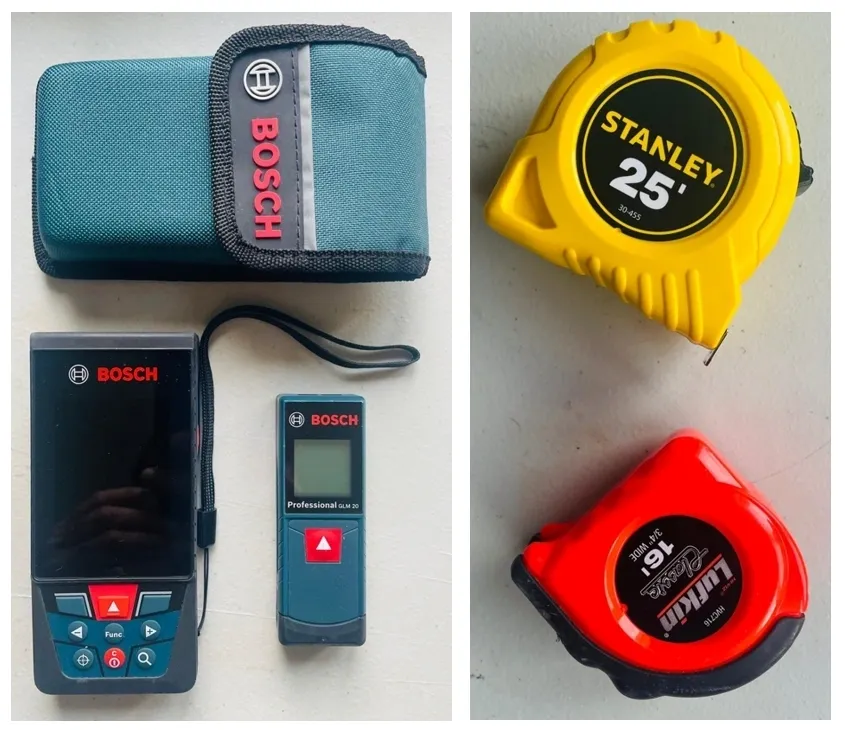
While manual tools remain indispensable for certain applications, the industry is undeniably moving toward digital solutions. Advances in technology, such as augmented reality (AR) and artificial intelligence (AI), are likely to further revolutionize measuring devices. Imagine AR glasses that instantly overlay measurements or AI-driven tools that automatically detect errors.
Conclusion
The choice between manual and digital measuring devices ultimately depends on the project’s scope, budget, and precision requirements. While manual tools offer simplicity and durability, digital devices bring speed and accuracy to the table. By understanding the strengths and limitations of each, construction professionals can make informed decisions that align with their specific needs, ensuring project success every time.
Thank you,
Amandeep
Permit Canada