
Housing shortages have been a pressing issue in Ontario, particularly in major urban centers like Toronto and Ottawa, where demand for housing has outpaced supply, leading to affordability challenges and increased homelessness. The shortage of affordable housing has been exacerbated by factors such as population growth, limited land availability for development, and escalating property prices.
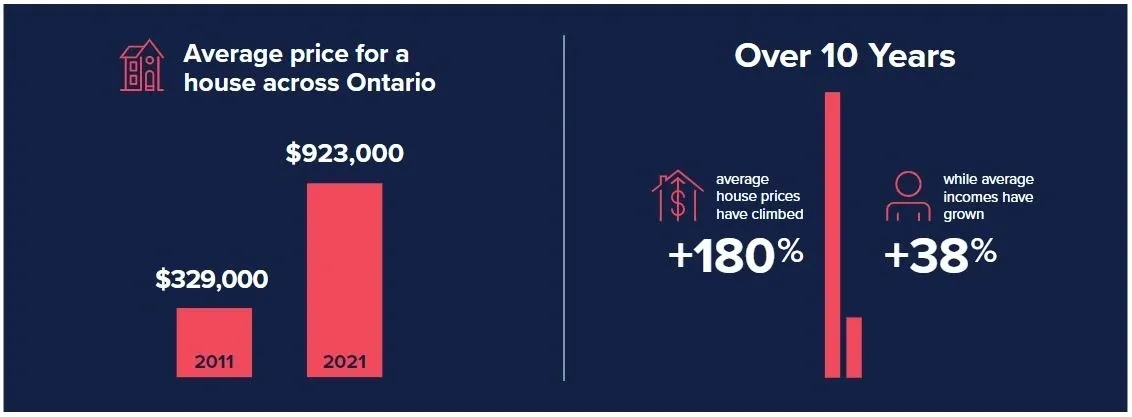
To address this issue, the Ontario government has implemented several measures aimed at increasing housing supply and improving affordability:
1. Increasing Housing Supply: The government has prioritized increasing the supply of housing through initiatives such as the More Homes, More Choice Act. This legislation aims to streamline the development approval process, reduce red tape, and encourage the construction of new housing units. By cutting unnecessary regulations and expediting approvals, the goal is to make it easier for developers to build more homes, including affordable and rental housing.
2. Supporting Affordable Housing Initiatives: Ontario has committed significant funding to support the creation of affordable housing units. This includes investments in programs like the Ontario Priorities Housing Initiative (OPHI) and the Community Housing Renewal Strategy. These programs provide financial support to municipalities, non-profit organizations, and private developers to build affordable rental housing and refurbish existing units.
3. Encouraging Secondary Units: To maximize existing housing stock, the government has encouraged the creation of secondary units, such as basement apartments and laneway houses. Changes in regulations and zoning rules have been introduced to make it easier for homeowners to add these units to their properties, increasing the availability of rental housing options.
4. Rent Control Policies: The Ontario government has implemented rent control policies to protect tenants from significant rent increases. This stability in rental costs aims to make housing more affordable and secure for renters.
5. Housing Supply Action Plan: The province has developed a comprehensive Housing Supply Action Plan to address the housing crisis. This plan includes measures to expedite the development process, protect provincial interests in land use planning, and support innovative housing solutions.
6. Collaboration with Municipalities and Stakeholders: The government is working closely with municipalities, developers, and community organizations to develop holistic solutions to the housing shortage. Collaborative efforts aim to identify barriers to housing development and implement effective strategies to overcome them.
7. Promotion of Transit-Oriented Development: Ontario is promoting transit-oriented development (TOD) around major transit hubs. By concentrating housing and amenities around public transportation nodes, the government aims to reduce urban sprawl, improve mobility, and create vibrant, sustainable communities.
8. Supporting Homeownership: Various programs have been introduced to support first-time homebuyers, including incentives such as the First-Time Home Buyer Incentive and the Land Transfer Tax Refund for First-Time Homebuyers. These initiatives aim to make homeownership more accessible to Ontarians.
Despite these efforts, the housing shortage remains a complex and persistent issue in Ontario. Continued collaboration between government, industry stakeholders, and community organizations will be essential to implement effective, sustainable solutions that address the diverse housing needs of the province’s growing population.
Role of garden suites to tackle the current housing crisis
Garden suites, also known as laneway houses or backyard cottages, play a significant role in addressing the housing situation in Ontario by offering a creative and efficient way to increase housing supply, especially in urban areas where space is limited. These secondary dwelling units built within residential properties have the potential to provide affordable housing options and promote sustainable urban development. Here’s how garden suites contribute to addressing Ontario’s housing challenges:

1. Increased Housing Supply: Garden suites add to the housing stock without requiring additional land, making efficient use of existing residential properties. By utilizing underutilized spaces like backyards or laneways, homeowners can create new living spaces that contribute to addressing the housing shortage.
2. Affordable Housing Options: Garden suites offer more affordable rental opportunities within established neighborhoods, providing alternative housing choices for renters who may be priced out of traditional housing markets. These smaller units can cater to students, young professionals, or seniors looking for more accessible and affordable housing options.
3. Diverse Housing Types: Garden suites contribute to diversifying the housing stock by offering a range of housing types. They can accommodate various household sizes and demographics, from single individuals to small families or multigenerational households, thereby meeting diverse housing needs within the community.
4. Incremental Density: By allowing the construction of garden suites, Ontario can achieve incremental density in residential neighborhoods without compromising the character of existing communities. This gradual densification supports efficient land use and promotes transit-oriented development by increasing population density around existing infrastructure.
5. Support for Aging in Place: Garden suites can provide an opportunity for aging homeowners to downsize while remaining in their communities. Older adults can move into the garden suite and rent out their main house, allowing them to maintain financial stability and stay connected to their neighborhoods.
6. Environmental Benefits: Utilizing garden suites can promote sustainability by reducing urban sprawl and car dependence. Residents of garden suites are more likely to use public transportation or walk, contributing to lower carbon emissions and promoting a more eco-friendly lifestyle.
7. Support for Homeowners: Building a garden suite can provide additional income for homeowners, helping them offset housing costs or mortgage payments. This financial flexibility can improve housing affordability for homeowners while utilizing their property more effectively.
8. Government Support and Policy Changes: The Ontario government has recognized the importance of garden suites in addressing housing needs. Changes to zoning and building regulations, such as allowing for secondary units and streamlining approval processes, demonstrate a commitment to promoting these types of housing solutions.
In conclusion, garden suites offer a practical and sustainable approach to addressing Ontario’s housing situation by leveraging existing residential properties to create additional housing options. By supporting the development of garden suites through policy changes and community engagement, Ontario can harness their potential to increase housing supply, enhance affordability, and foster more inclusive and resilient communities.
Permit Canada is contributing its fair share of services to help community address this situation by providing affordable design and permit application services in Ontario. We are a team Architectural Designers/ Drafters and Professional Engineers along with experienced contractors who are committed to provide quality services in Ontario.
Thank you,
Amandeep Pathak